
ANKLE | Quadrimalleolar Fracture - Case 04


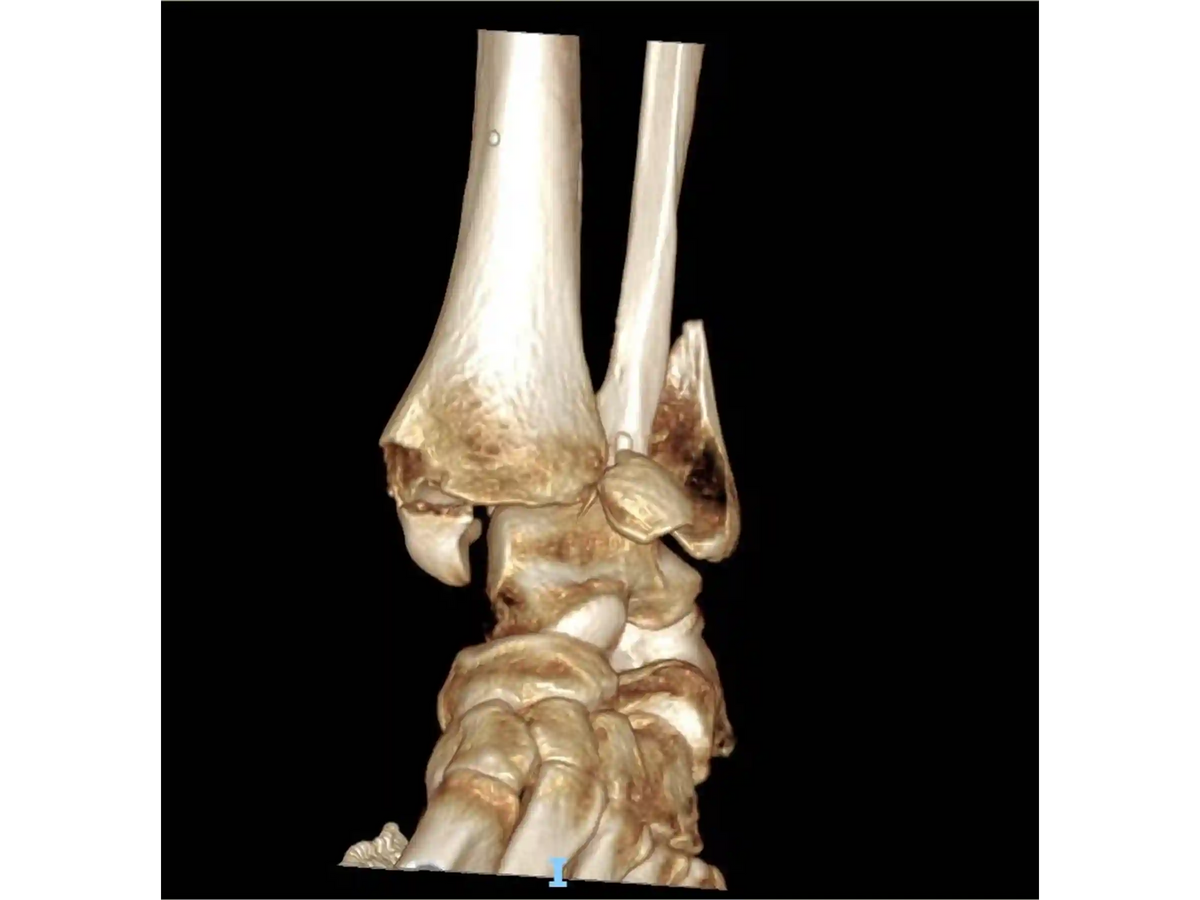
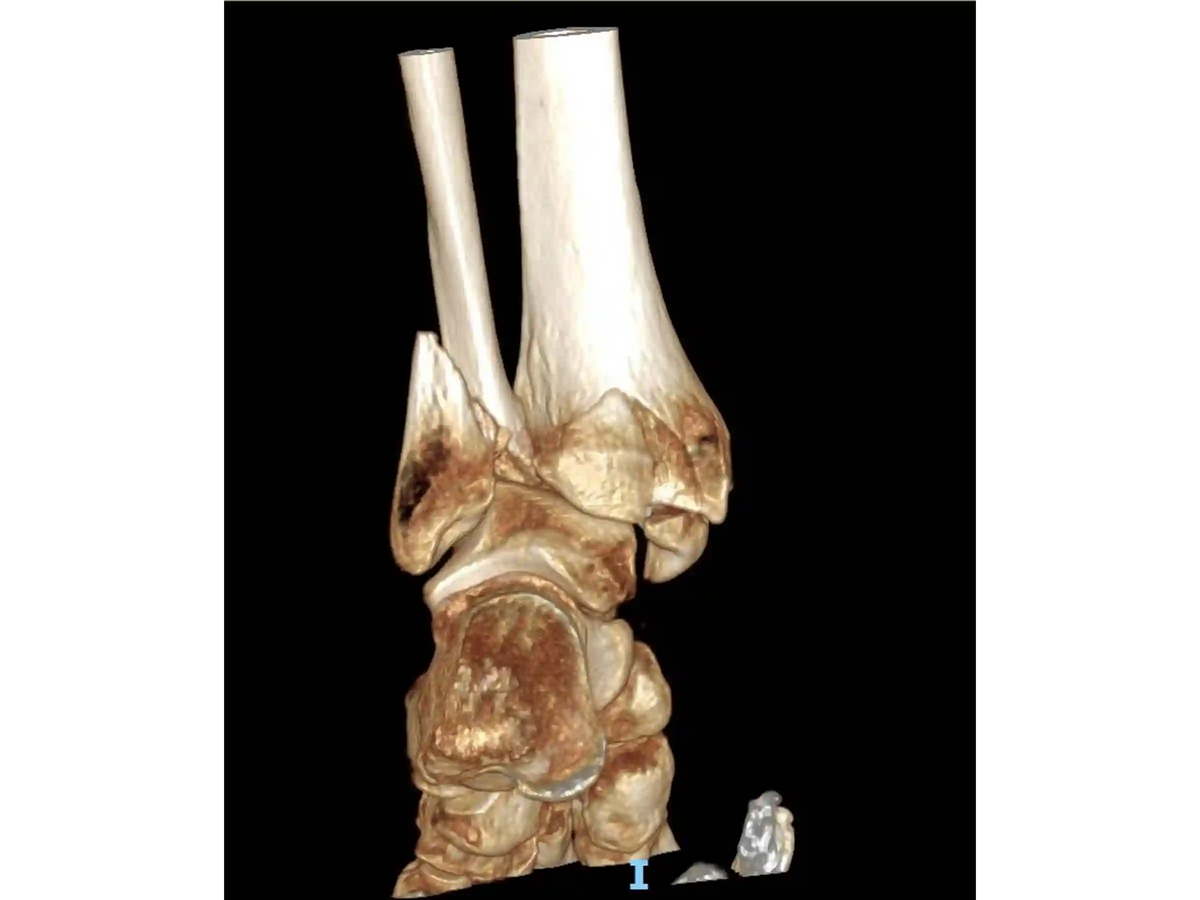
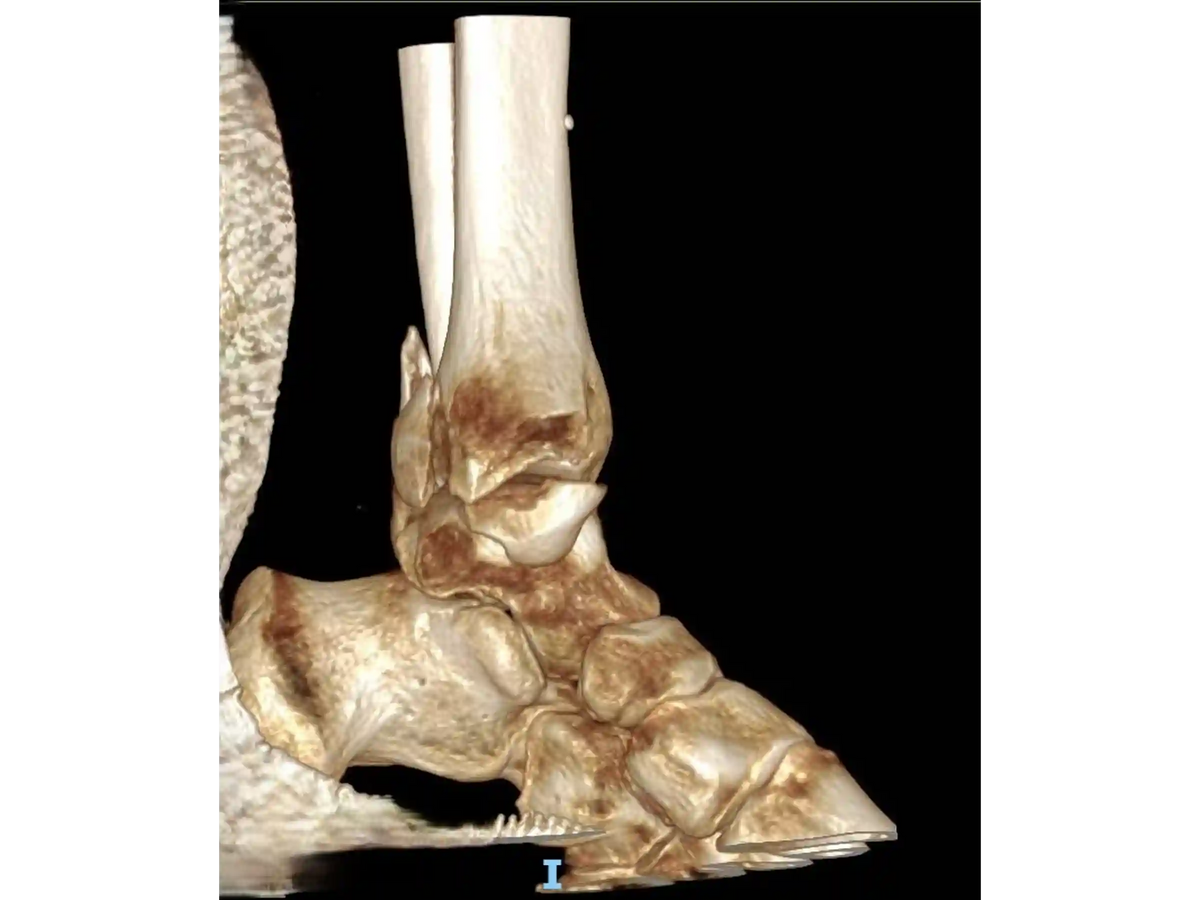
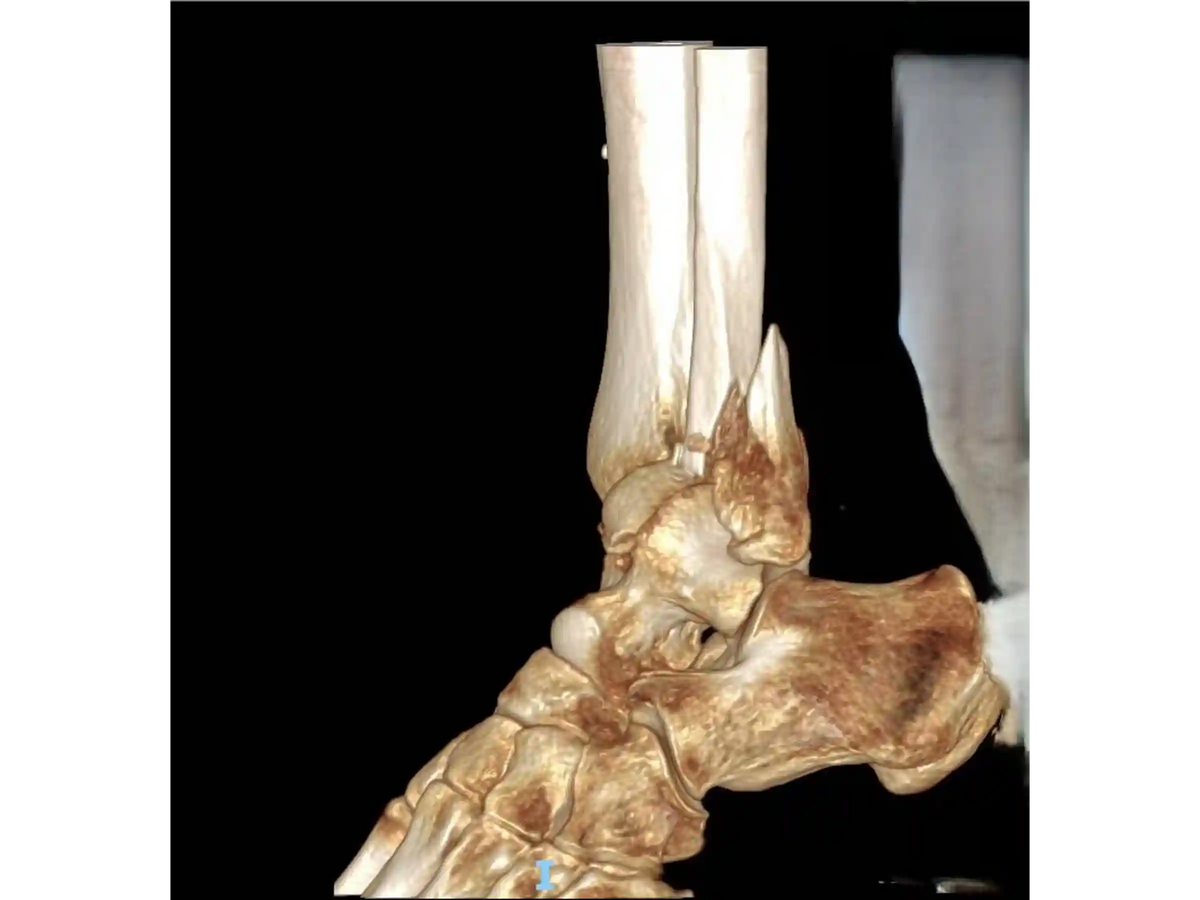
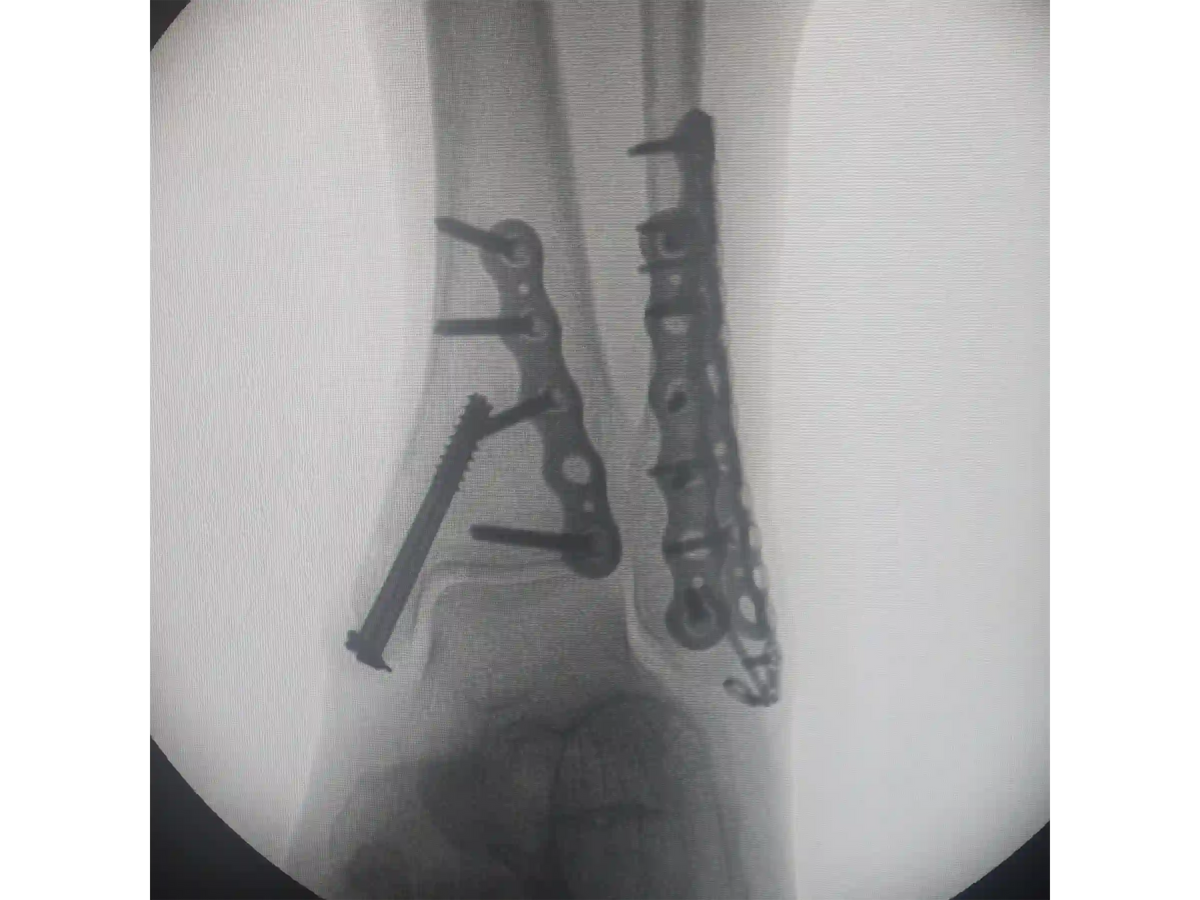
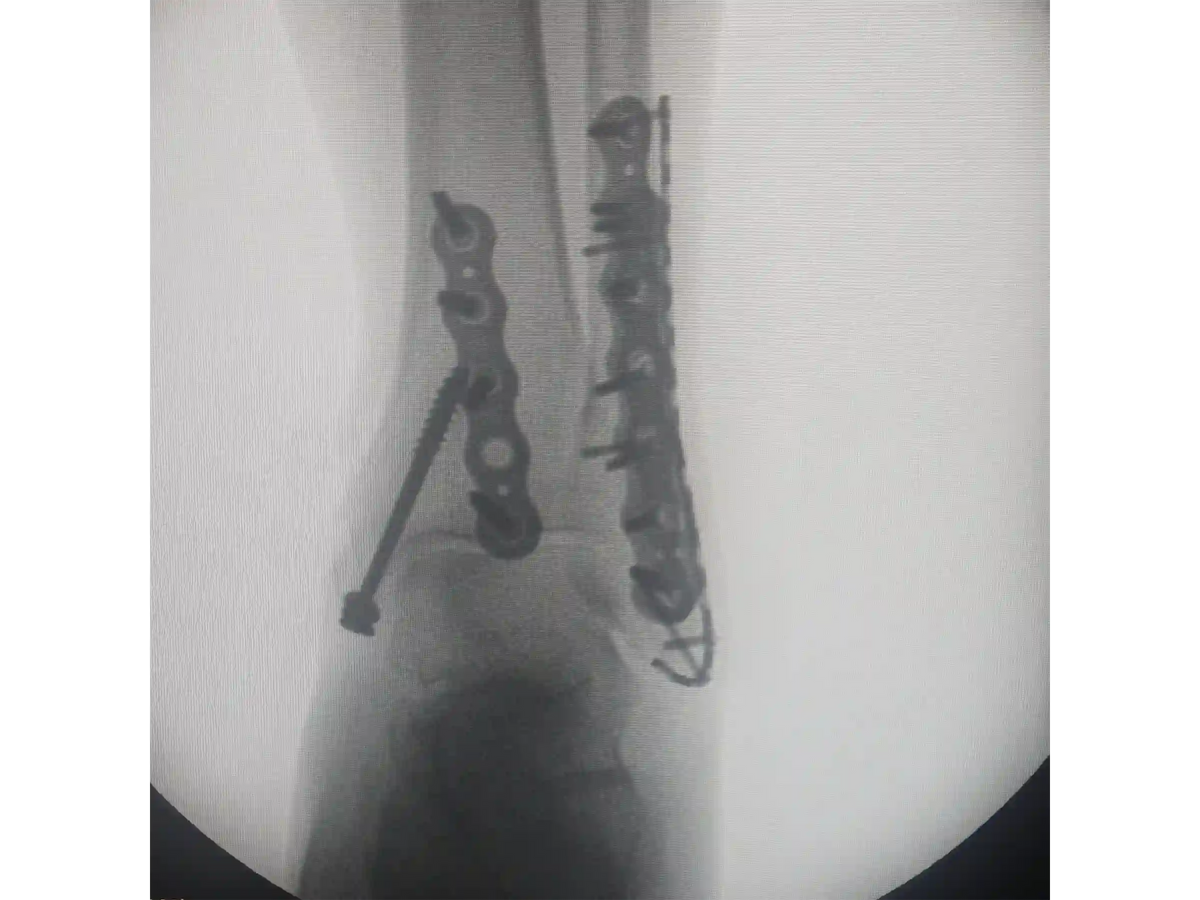
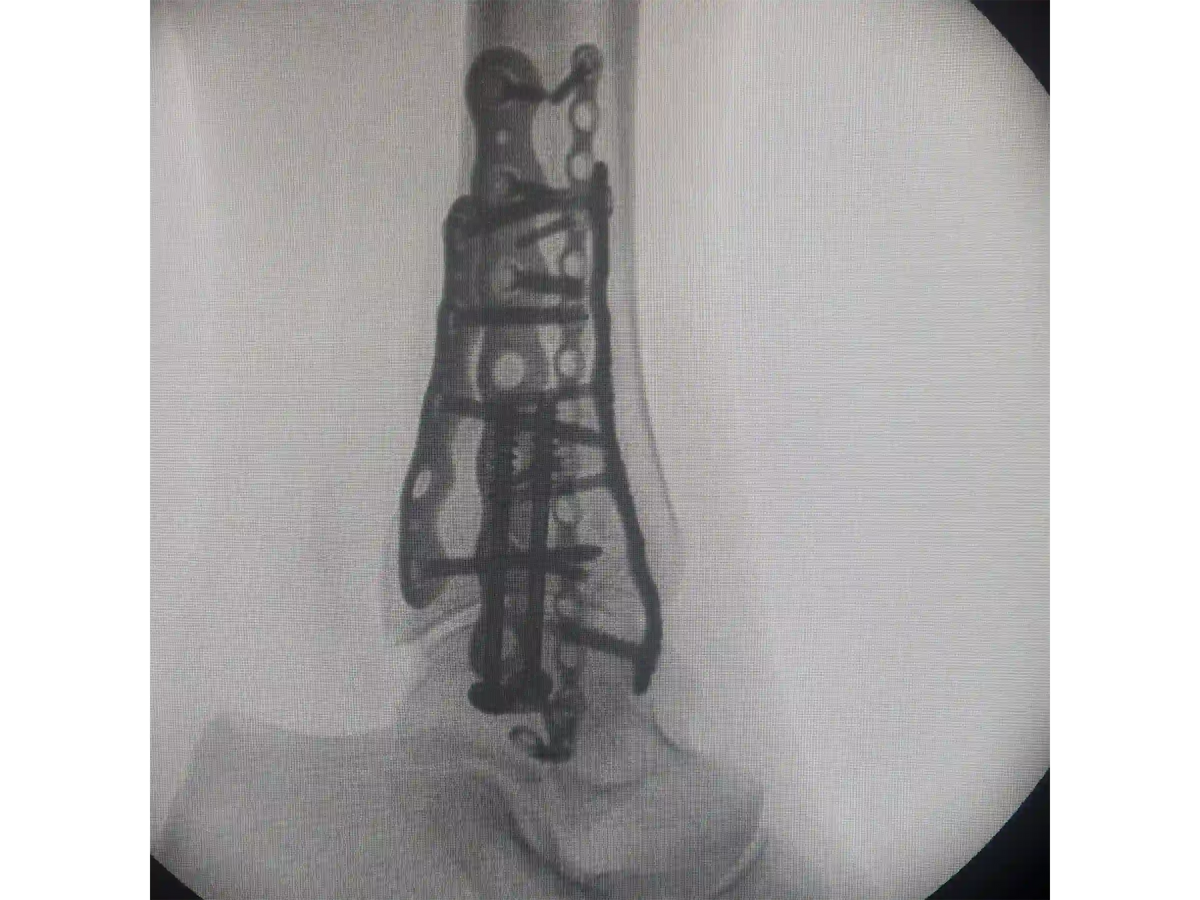
This orthopedic trauma learning case examines a complex quadrimalleolar ankle fracture involving the lateral malleolus, posterior malleolus, medial malleolus, and a substantial anterolateral fragment. The educational focus is on surgical planning, fracture visualization, soft-tissue handling, reduction strategy, implant positioning, and the relationship between bony reconstruction and ankle stability.
The case highlights the anatomical importance of the ankle mortise, formed by the tibial and fibular articular surfaces around the talus, and the role of the syndesmosis, which is stabilized by the anterior-inferior tibiofibular ligament, posterior-inferior tibiofibular ligament, and interosseous ligament (KB1, page 2557). The anterolateral fragment is discussed in relation to the anterior syndesmotic structures, while the posterior malleolus is considered in the context of posterior ankle stability and reduction mechanics.
Learners will review the logic of a posterolateral approach, including flap planning, preservation of subcutaneous vascularity, identification of the fibula, management of peroneal structures, and access to the posterior malleolus. The course also emphasizes the importance of nerve-aware dissection around the lateral ankle, where the superficial peroneal nerve and sural nerve may be at risk during lateral approaches (KB3, page 686).
The instructional value of this case lies in the stepwise reasoning: converting multiple fracture fragments into reconstructable units, using implants to assist reduction, adapting fixation strategy when distal fibular comminution limits standard screw trajectories, and reassessing ankle stability after sequential fixation. The content is intended for medical education and procedural review, not as a substitute for supervised surgical training or institutional protocols.
Learning objectives
- How to analyze a quadrimalleolar ankle fracture pattern using CT-informed procedural planning.
- How the lateral malleolus, posterior malleolus, medial malleolus, and anterolateral syndesmotic fragment contribute to overall ankle reconstruction strategy.
- Why the anterolateral fragment is important for syndesmotic anatomy, given the role of the anterior-inferior tibiofibular ligament in syndesmotic stability (KB1, page 2557).
- How to plan and elevate a thick posterolateral skin and subcutaneous flap while respecting soft-tissue vascularity.
- How to identify the fibula, peroneal tendons, and posterior ankle interval during a posterolateral approach.
- How to use direct visualization and implant-assisted reduction to reconstruct comminuted fibular fragments.
- How to reason through fixation options when standard screw or plate corridors are limited by comminution and implant crowding.
- How posterior malleolus fixation can be approached through the posterolateral interval, with attention to reduction through the implant.
- How to maintain awareness of lateral ankle neurovascular risks, including the superficial peroneal and sural nerves during lateral approaches (KB3, page 686).
- How to frame fixation decisions around anatomy, stability, soft-tissue preservation, and safe procedural review rather than isolated radiographic appearance.
Topics covered
- Case-based overview of a complex quadrimalleolar ankle fracture.
- Discussion of CT-based fracture interpretation and fragment mapping.
- Posterolateral approach planning and incision logic.
- Soft-tissue flap handling and subcutaneous tissue preservation principles.
- Fibular exposure and management of peroneal structures.
- Reduction strategy for a comminuted lateral malleolus.
- Management of a large anterolateral syndesmotic fragment.
- Posterior malleolus exposure and implant-assisted reduction concept.
- Discussion of adaptive fixation using plates, screws, Kirschner wire provisional fixation, and mini-fragment plate contouring.
- Medial-side fracture context within a quadrimalleolar ankle injury.
- Anatomy-based discussion of syndesmotic stabilizers and ankle mortise relationships.
- Safety-oriented commentary on nerve-aware lateral ankle dissection.
Target audience
- Orthopedic trauma surgeons
- Orthopedic surgery residents and fellows
- Foot and ankle surgeons seeking trauma case review
- Medical students with an interest in orthopedic trauma
- Operating room educators and surgical anatomy instructors
- Clinicians involved in fracture conference, case review, or procedural planning education
Educational notice
This content is intended for medical education and professional procedural review only. It does not provide patient-specific medical advice, does not replace supervised surgical training, and does not establish a standard of care. All clinical decisions and procedural applications require qualified professional judgment, institutional protocol review, and appropriate human expert oversight.
Elige opciones
