
PROXIMAL HUMERUS [CASE 04] - Intramedullary Nail


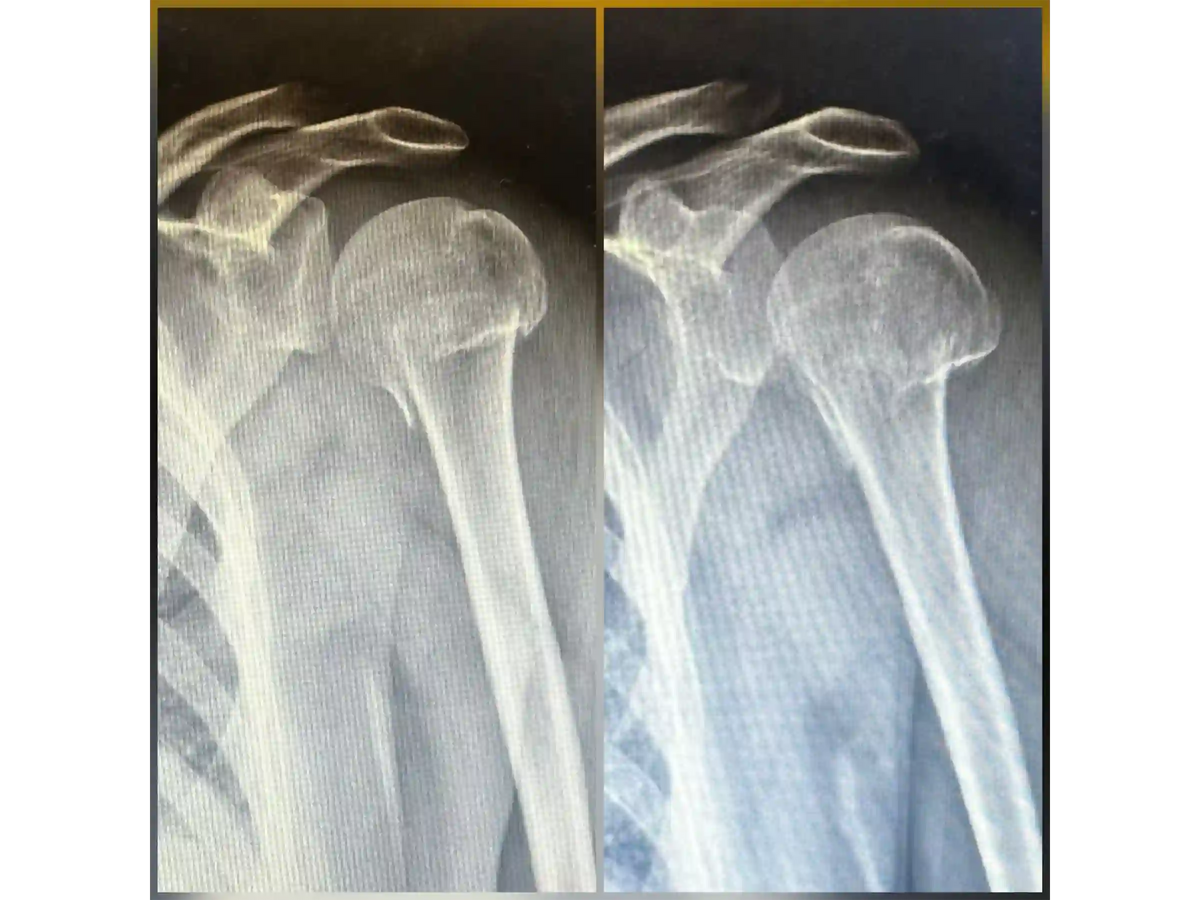
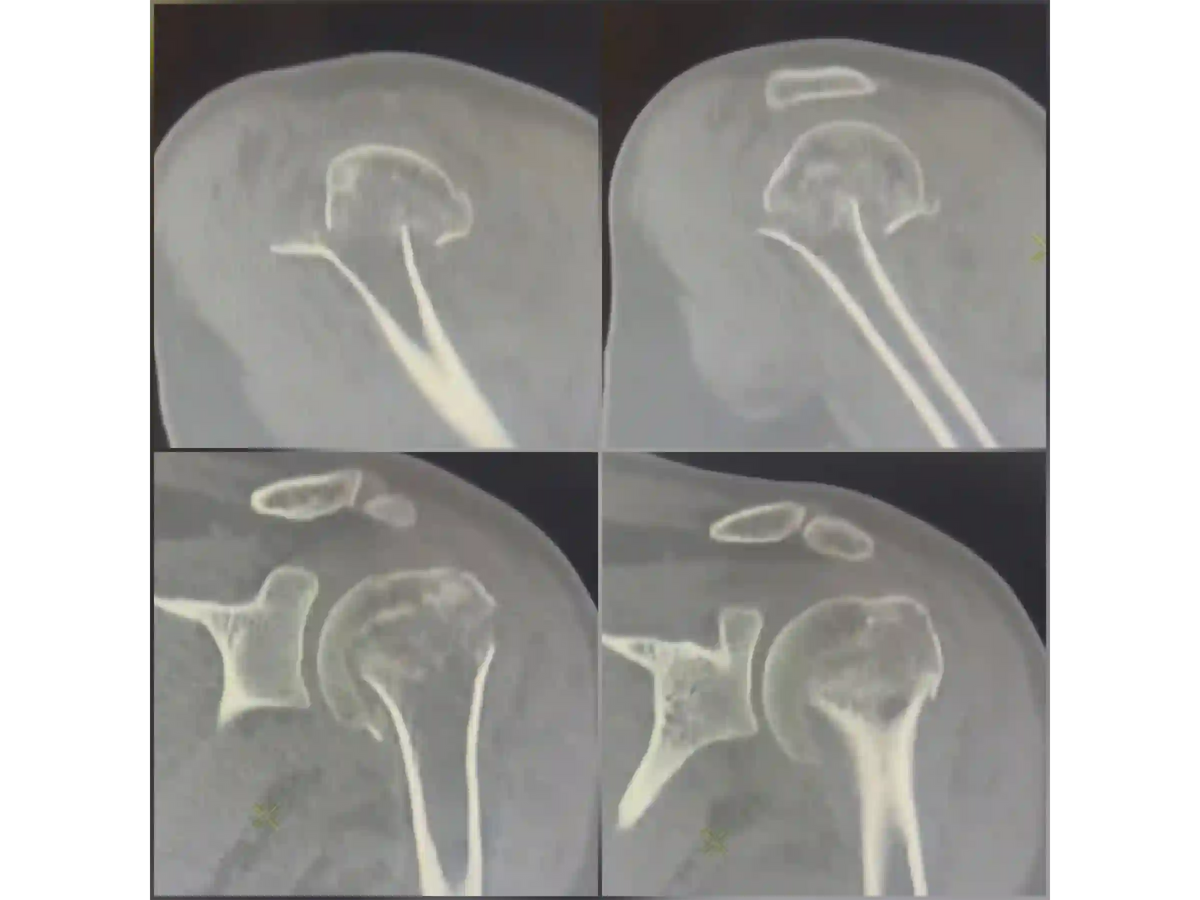
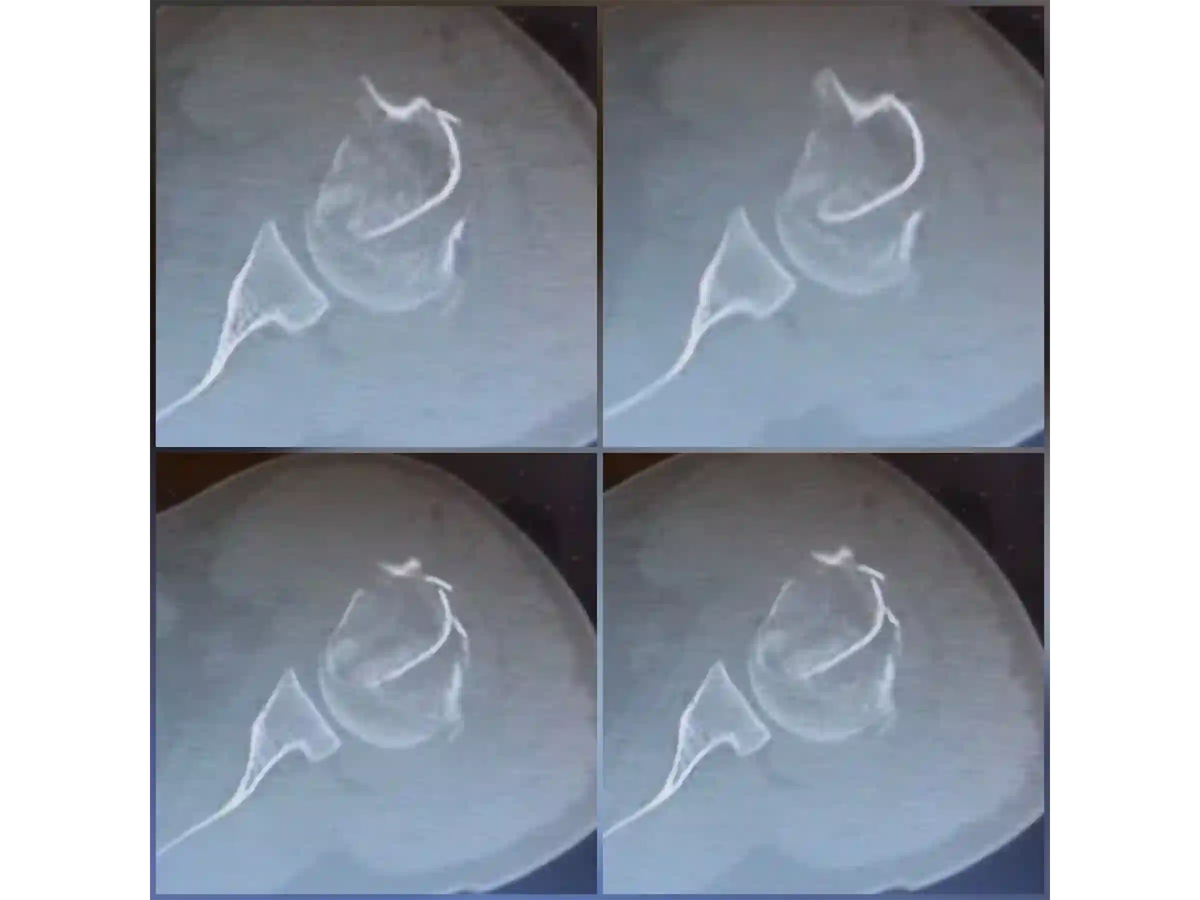
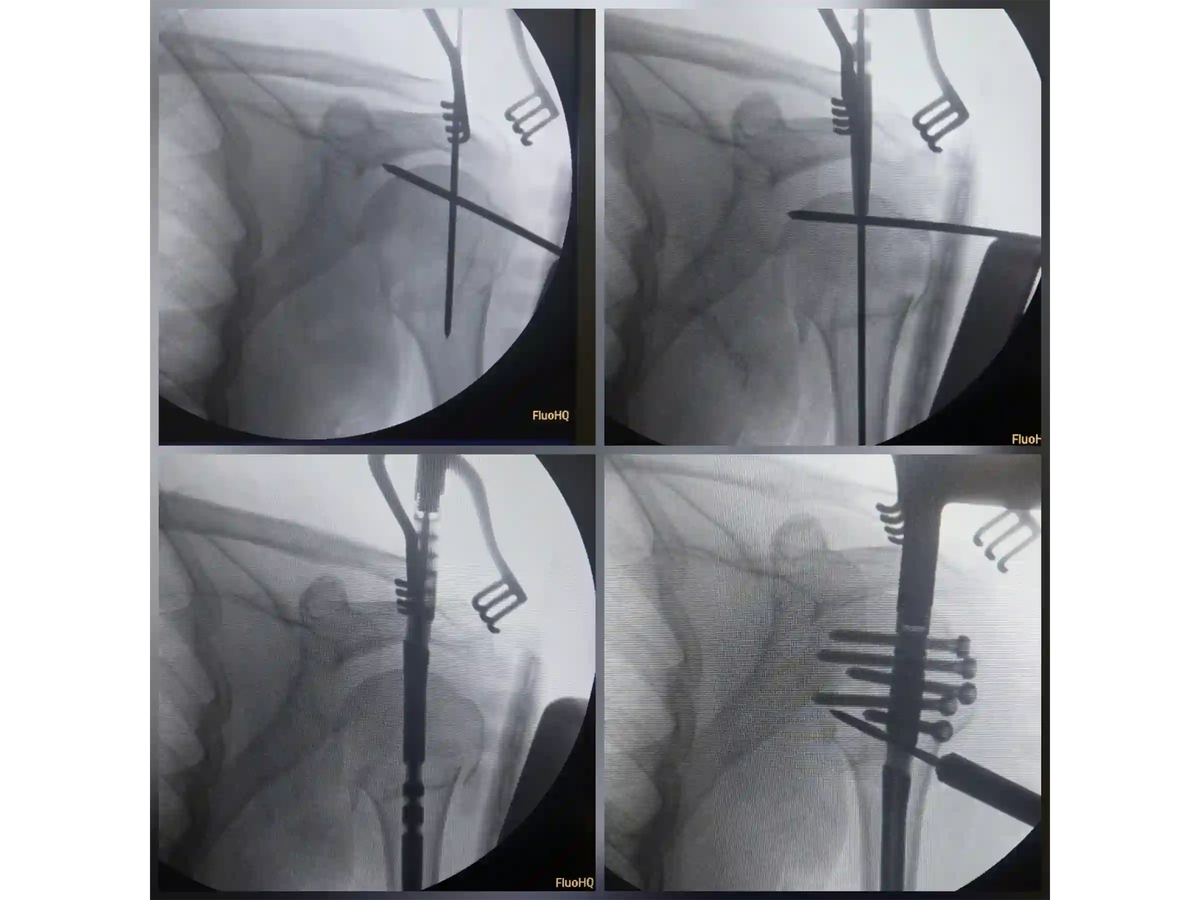
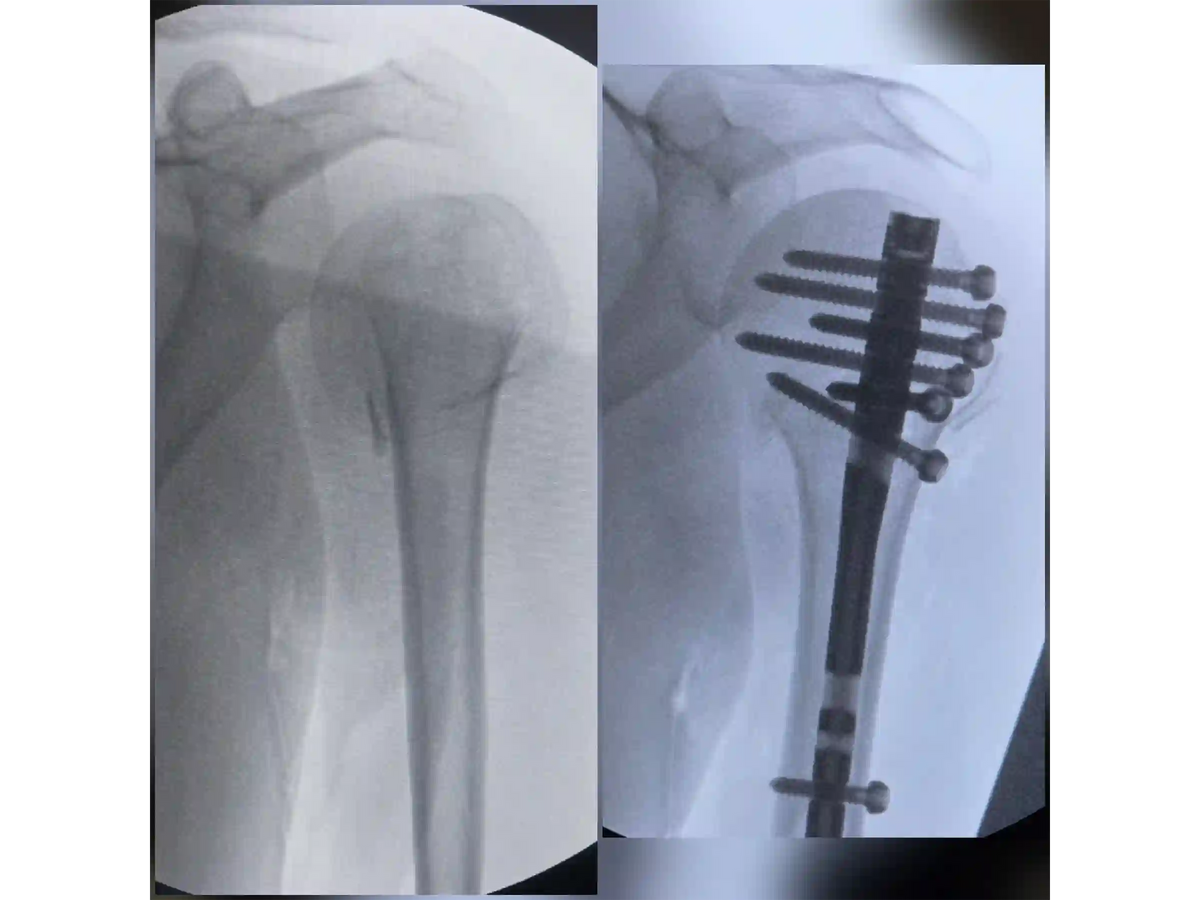
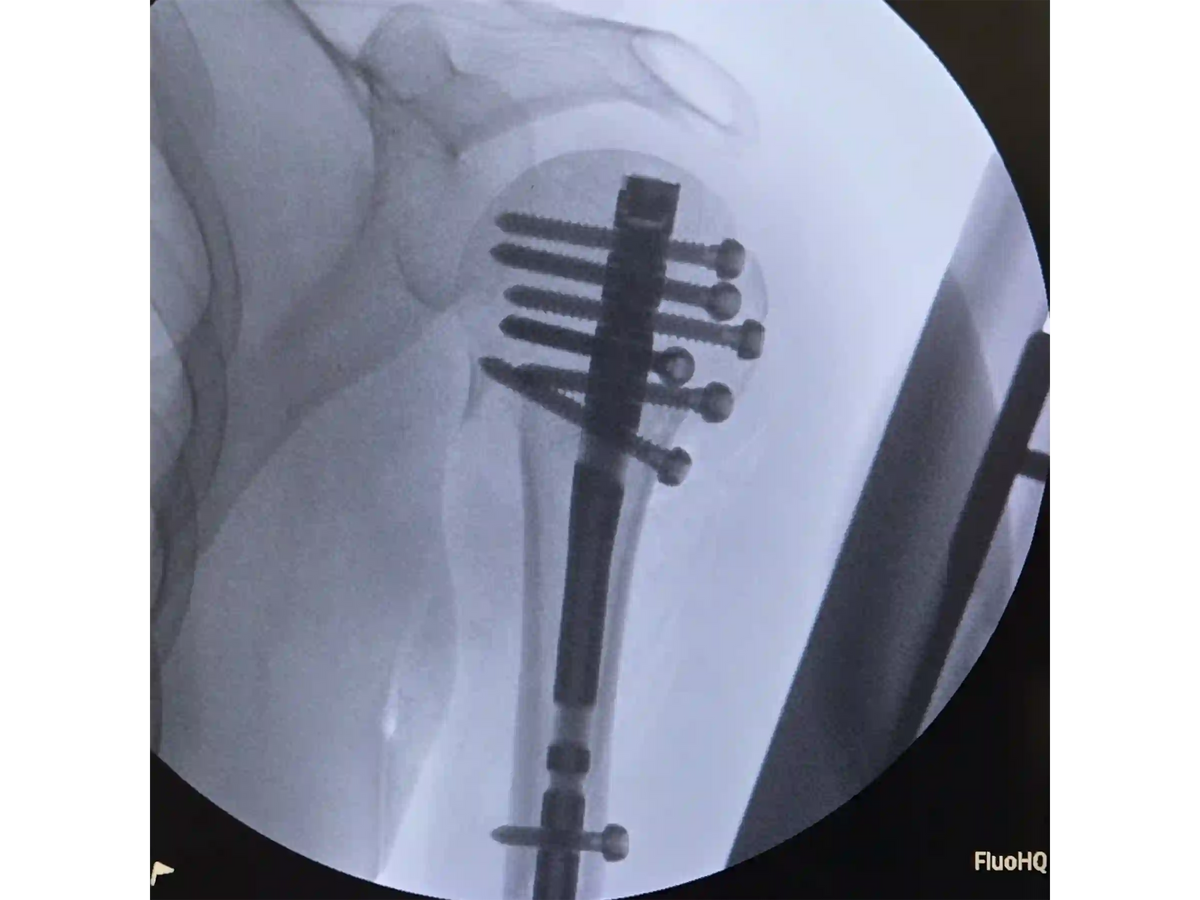
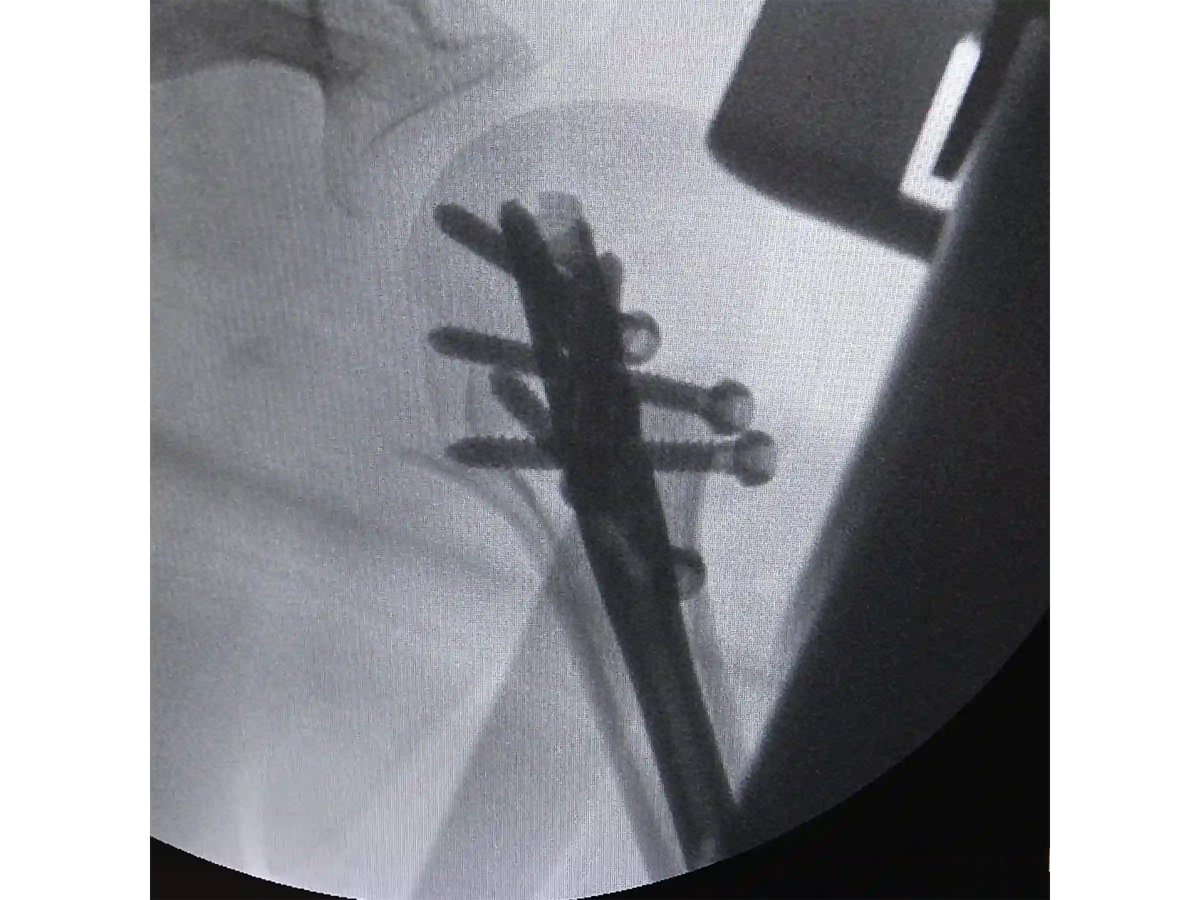
This orthopedic trauma learning case reviews the surgical reasoning behind osteosynthesis of a proximal humerus fracture using a modern intramedullary nail. The case highlights preoperative interpretation of fracture morphology, including recognition of greater tuberosity fragmentation on computed tomography, and explains why intramedullary fixation was selected based on the presence of a substantial humeral head fragment.
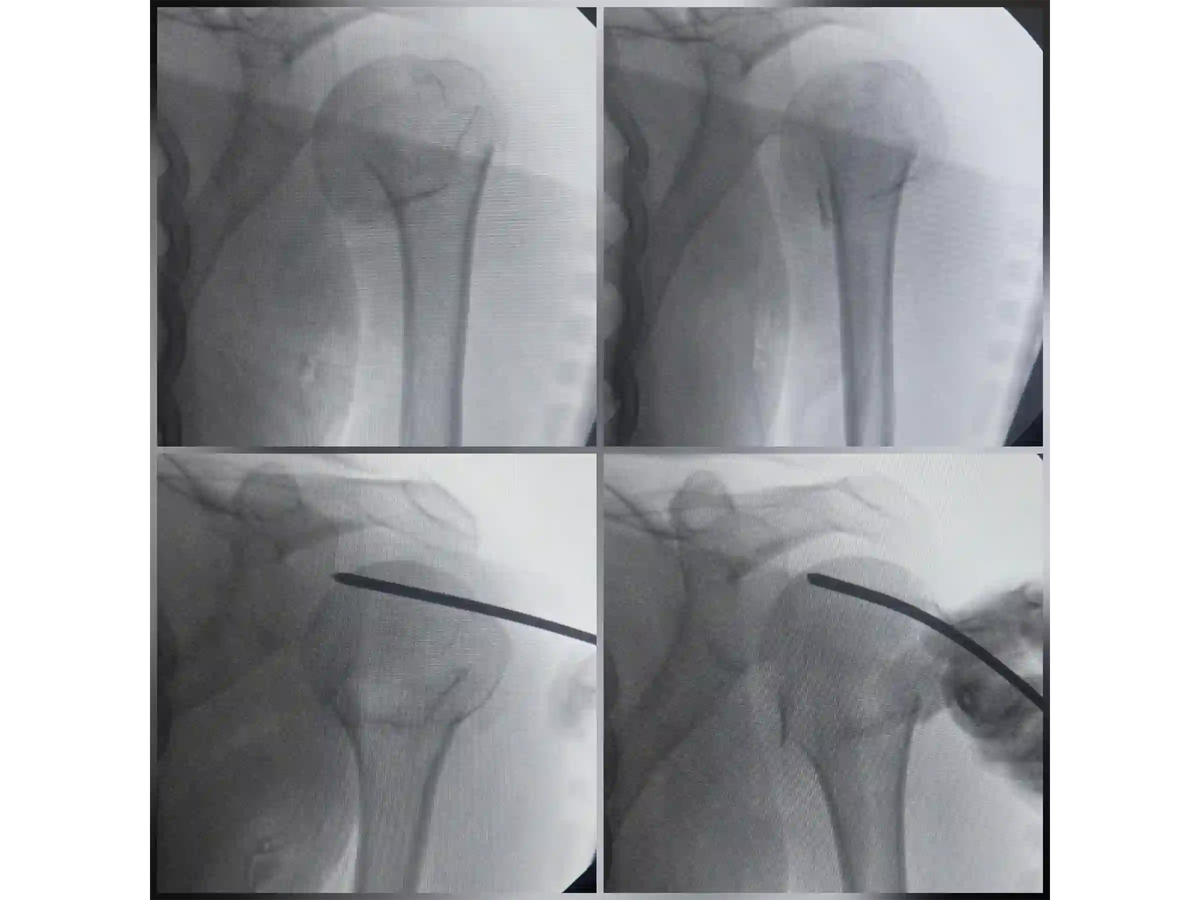
The procedural discussion focuses on patient positioning in the beach-chair position, intraoperative fluoroscopic assessment, and percutaneous reduction strategies using a Kirschner wire as a joystick. The instructor demonstrates how manipulation of the arm and joystick can help address posterior rotation, impaction, valgus alignment, and rotational control of the proximal fragment.
A central teaching point is the importance of the nail entry point. The case explains how a more centralized and medial entry point in newer-generation humeral nails may help align the implant with the intramedullary axis while reducing unnecessary conflict with the greater tuberosity and rotator cuff region. The learner is guided through the rationale for confirming the entry point in both anteroposterior and lateral fluoroscopic views before advancing the guidewire and nail.
The case also covers implant insertion principles, avoidance of forceful hammering, screw placement in the humeral head and calcar region, percutaneous locking technique, assessment of nail prominence, and systematic fluoroscopic rotation to evaluate screw position and avoid intra-articular placement. The instructor concludes with a reflective critique of a mild residual obliquity seen on lateral imaging, using it as a practical learning point about guidewire trajectory and reduction accuracy.
INCLUDED CONTENT
- Case-based procedural walkthrough
- Preoperative fracture assessment discussion
- Beach-chair positioning overview
- Percutaneous reduction strategy using a joystick wire
- Guidewire and nail entry point planning
- Fluoroscopic assessment in anteroposterior and lateral views
- Intramedullary nail insertion principles
- Proximal humeral head and calcar screw placement discussion
- Distal antirotational locking screw placement overview
- Final imaging review and technical self-assessment
TARGET AUDIENCE
- Orthopedic trauma surgeons
- Orthopedic surgery residents and fellows
- Shoulder and upper-limb surgeons
- Trauma fellows
- Medical educators teaching fracture fixation principles
- Operating room professionals involved in orthopedic trauma procedures
EDUCATIONAL NOTICE
This content is intended for medical education and procedural learning only. It does not replace formal surgical training, institutional protocols, clinical judgment, or supervision by qualified professionals. Surgical decisions must be individualized and reviewed by appropriately trained clinicians. Human expert review is mandatory before any educational or clinical use.
Elige opciones
