
DISTAL HUMERUS | Extra-articular Fracture - CASE 2


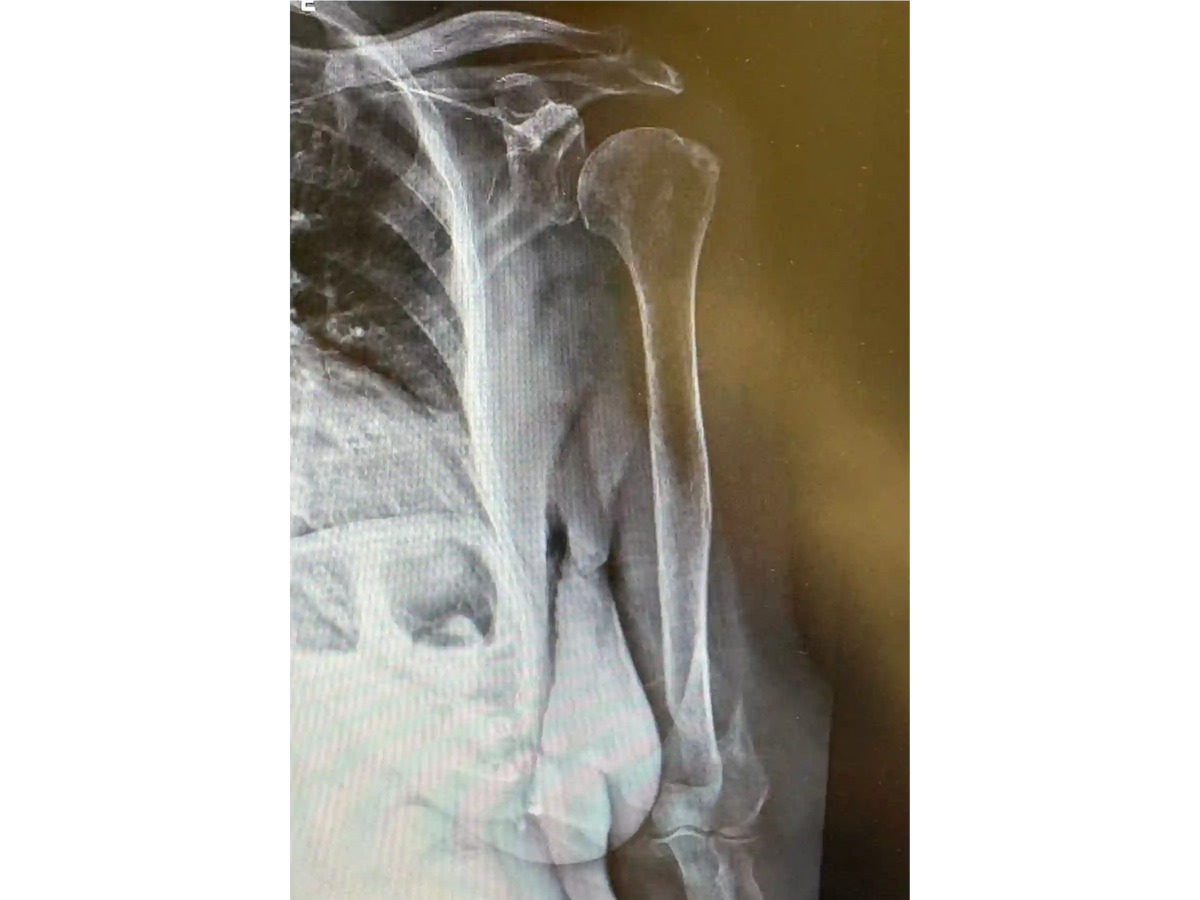
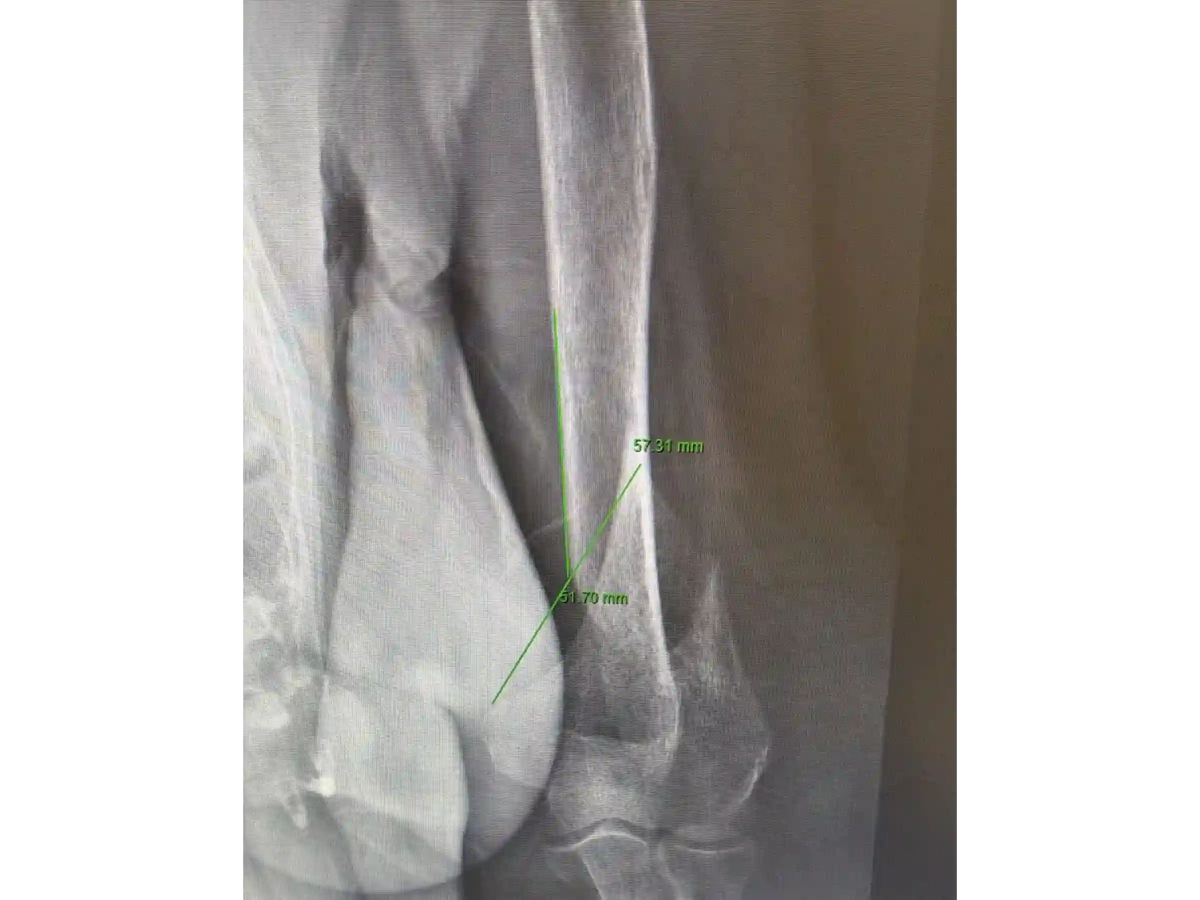
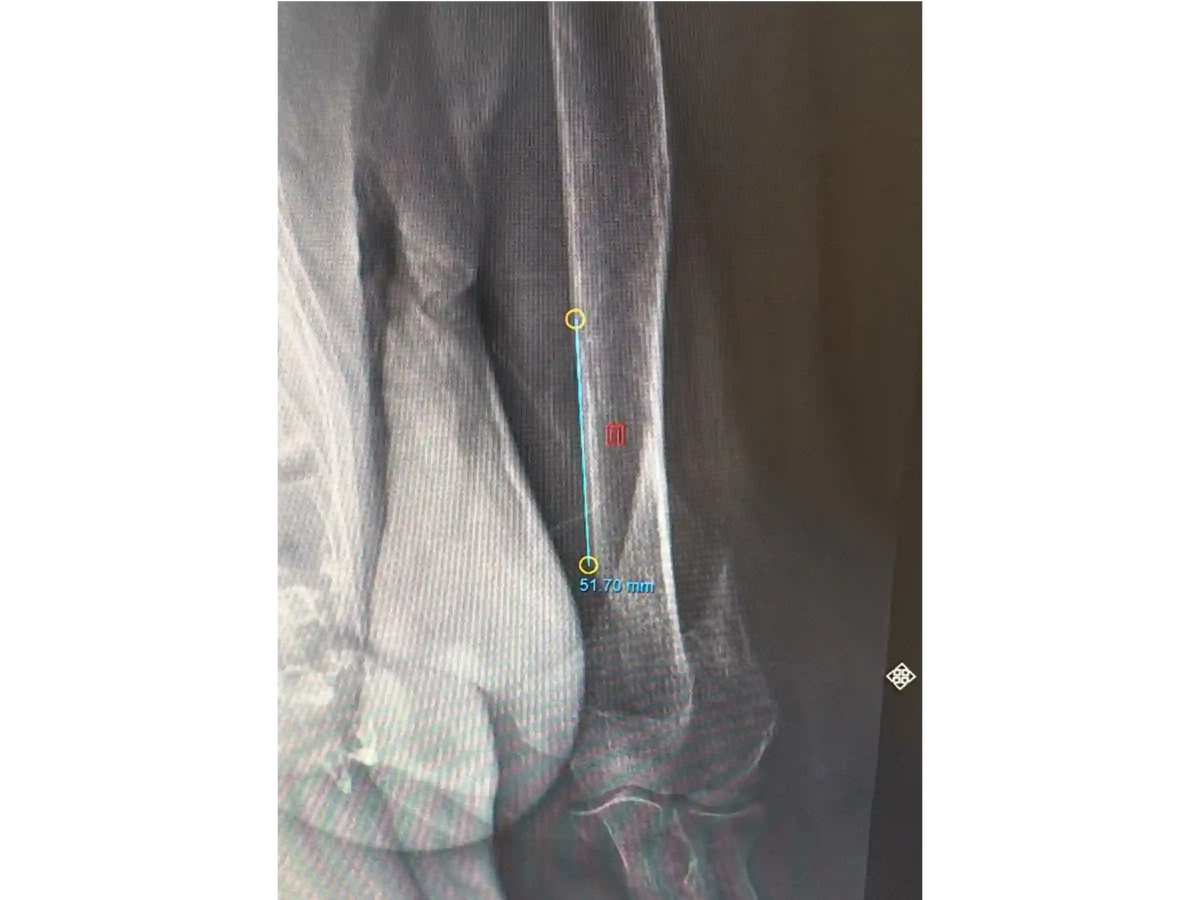
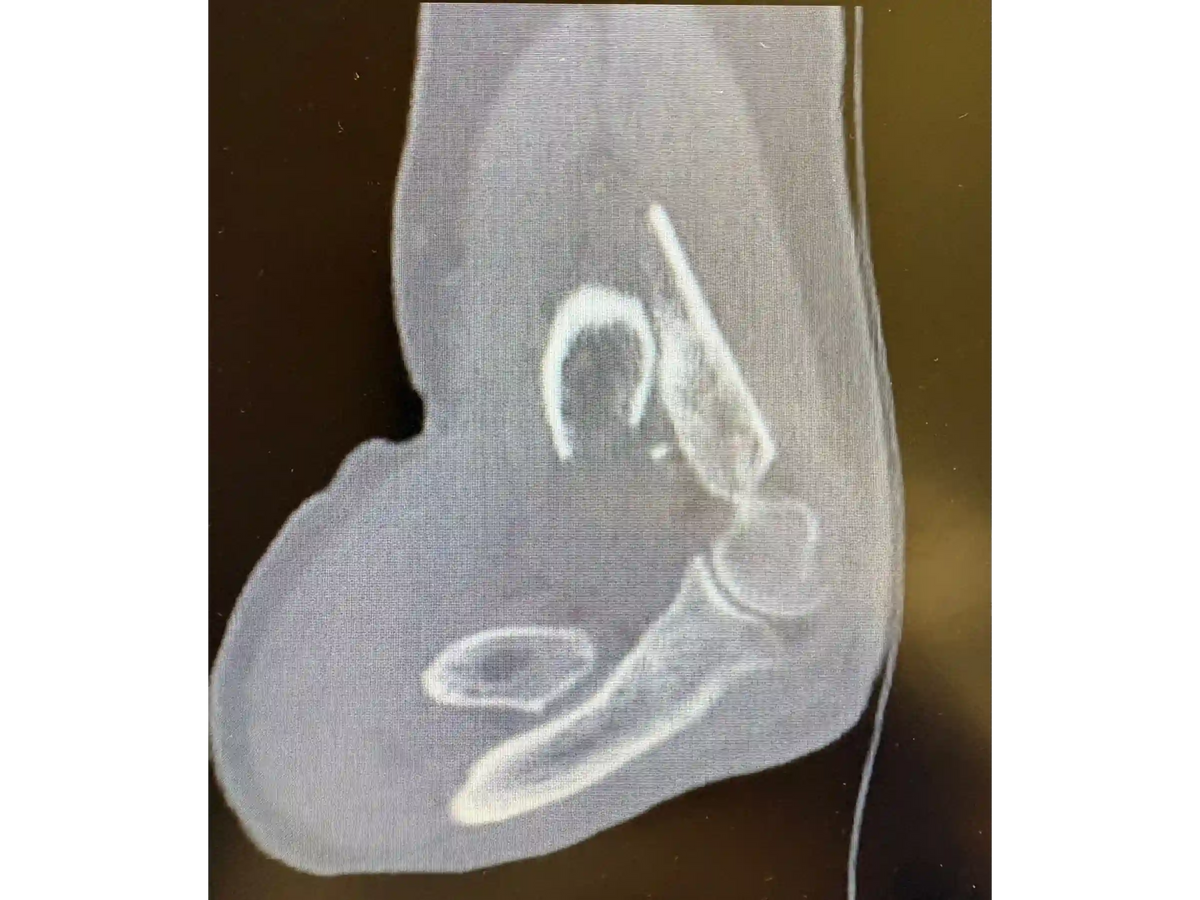
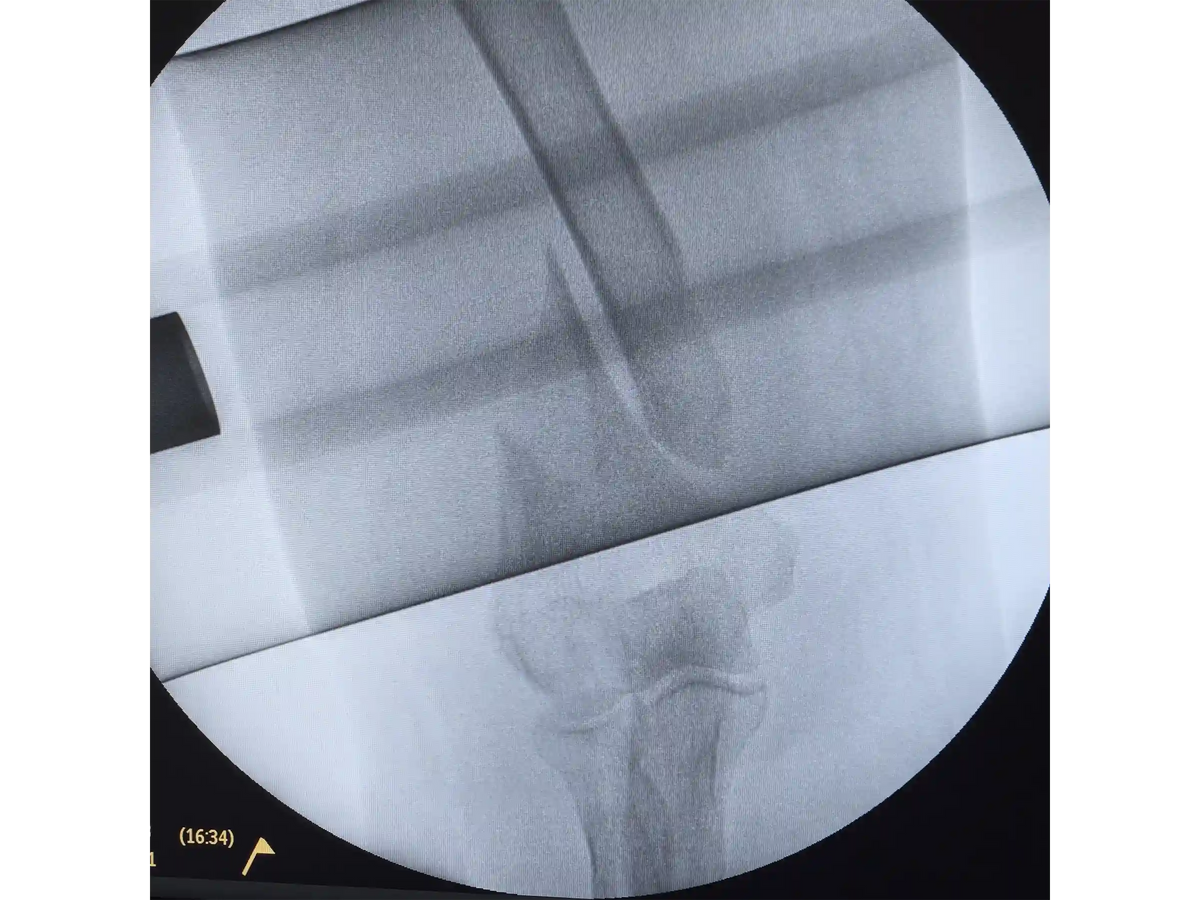
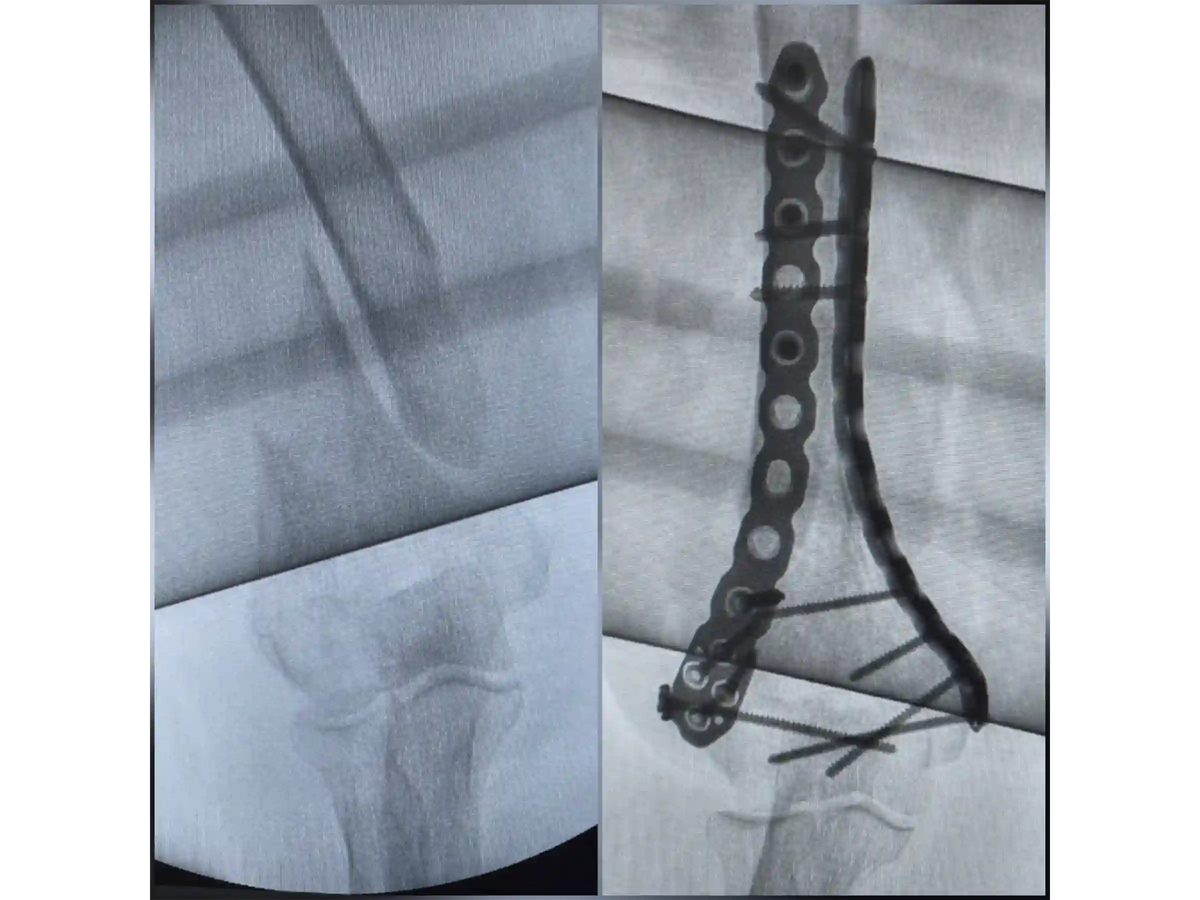
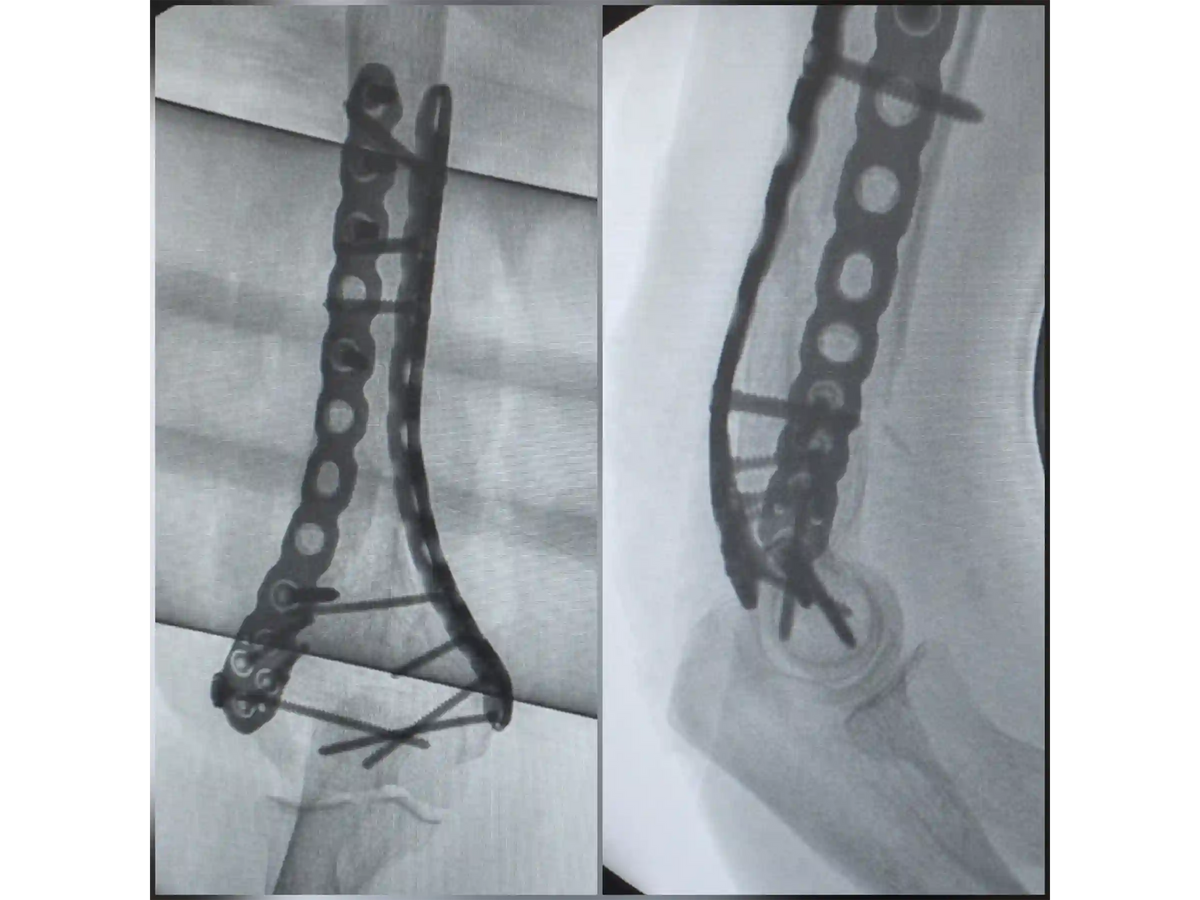
This orthopedic trauma learning case presents the operative reasoning for an extra-articular fracture of the distal third of the humerus with a short distal fragment. The case emphasizes why a posterior approach may be selected when anterior access is not considered favorable, and demonstrates the use of lateral and medial paratricipital windows while preserving the triceps muscle interval.
The educational sequence highlights fracture exposure, identification of reduction landmarks, temporary fixation with Kirschner wires, and transition to definitive fixation using posterolateral and medial column plates. Particular attention is given to the proximity of the radial nerve laterally and the mandatory identification, circumferential release, and protection of the ulnar nerve medially.
The case also discusses implant positioning, plate contouring, use of cortical and locking screws, screw trajectory considerations in the distal humerus, and construct planning when plates end at similar levels. The content is intended for procedural education and surgical anatomy review, not as a substitute for supervised training or patient-specific clinical decision-making.
Learning objectives
- How preoperative fracture morphology can influence the choice between anterior and posterior approaches
- How to develop lateral and medial paratricipital windows while preserving triceps integrity
- Key anatomical considerations for radial nerve identification and implant-related nerve safety
- A systematic strategy for identifying and mobilizing the ulnar nerve during medial distal humerus exposure
- How fracture vertices and obliquity can guide reduction clamp placement and temporary fixation
- How Kirschner wires can be used to maintain reduction when clamps interfere with definitive plating
- Decision-making between lateral, posterolateral, and medial column fixation strategies
- Technical considerations for plate positioning, contouring, and screw trajectory in the distal humerus
- Educational reasoning behind the use of cortical screws to seat or contour a plate and locking screws in selected fixation points
- Construct considerations when medial and lateral plates terminate at similar heights
Topics covered
- Case-based operative planning discussion
- Posterior distal humerus exposure
- Lateral paratricipital window development
- Medial paratricipital window development
- Radial nerve visualization and implant clearance assessment
- Ulnar nerve identification, release, and protection
- Fracture reduction principles for an oblique extra-articular pattern
- Temporary Kirschner wire fixation
- Posterolateral plate application
- Medial column plate application
- Cortical and locking screw strategy discussion
- Plate contouring and distal screw trajectory considerations
- Educational closure and soft-tissue handling considerations
Audience
- Orthopedic trauma surgeons
- Orthopedic residents and fellows
- Upper-limb trauma learners
- Surgical anatomy educators
- Medical professionals reviewing distal humerus fixation principles
Educational notice
This content is intended for medical education and procedural reasoning only. It does not provide patient-specific medical advice, does not guarantee clinical outcomes, and should not be used as a substitute for formal surgical training, institutional protocols, or specialist judgment. Human expert review is required before educational or clinical use.
Escolha opções
