
PROXIMAL HUMERUS | Plate Fixation Via Deltopectoral Approach - CASE 08

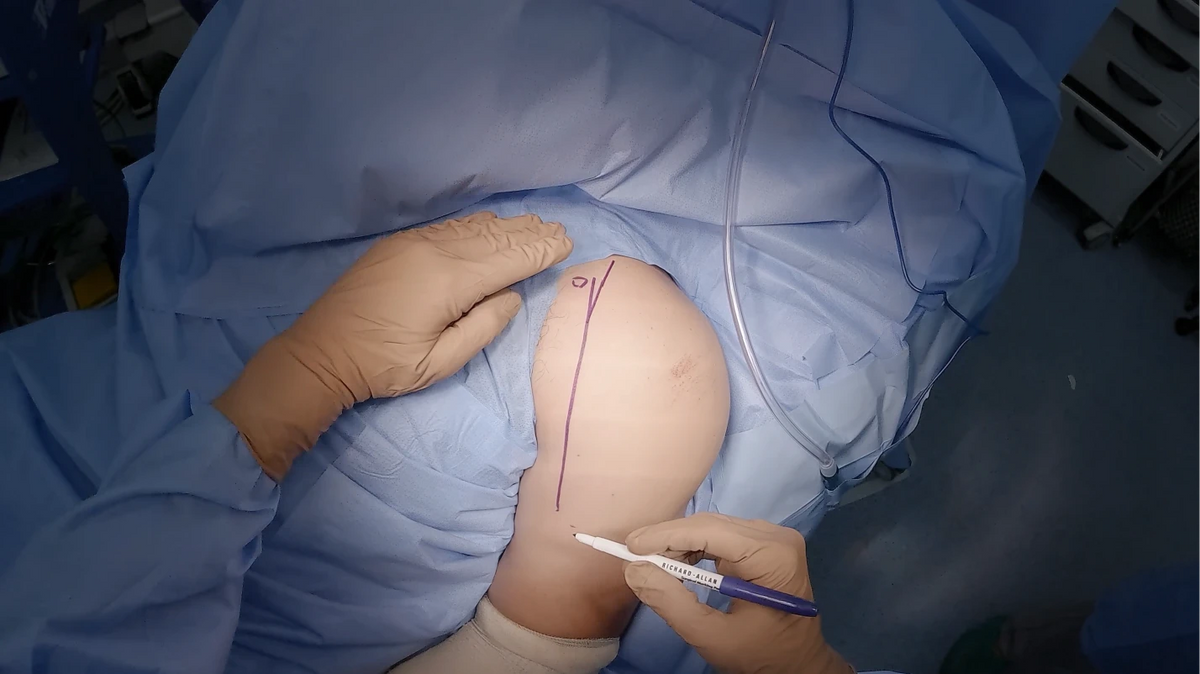
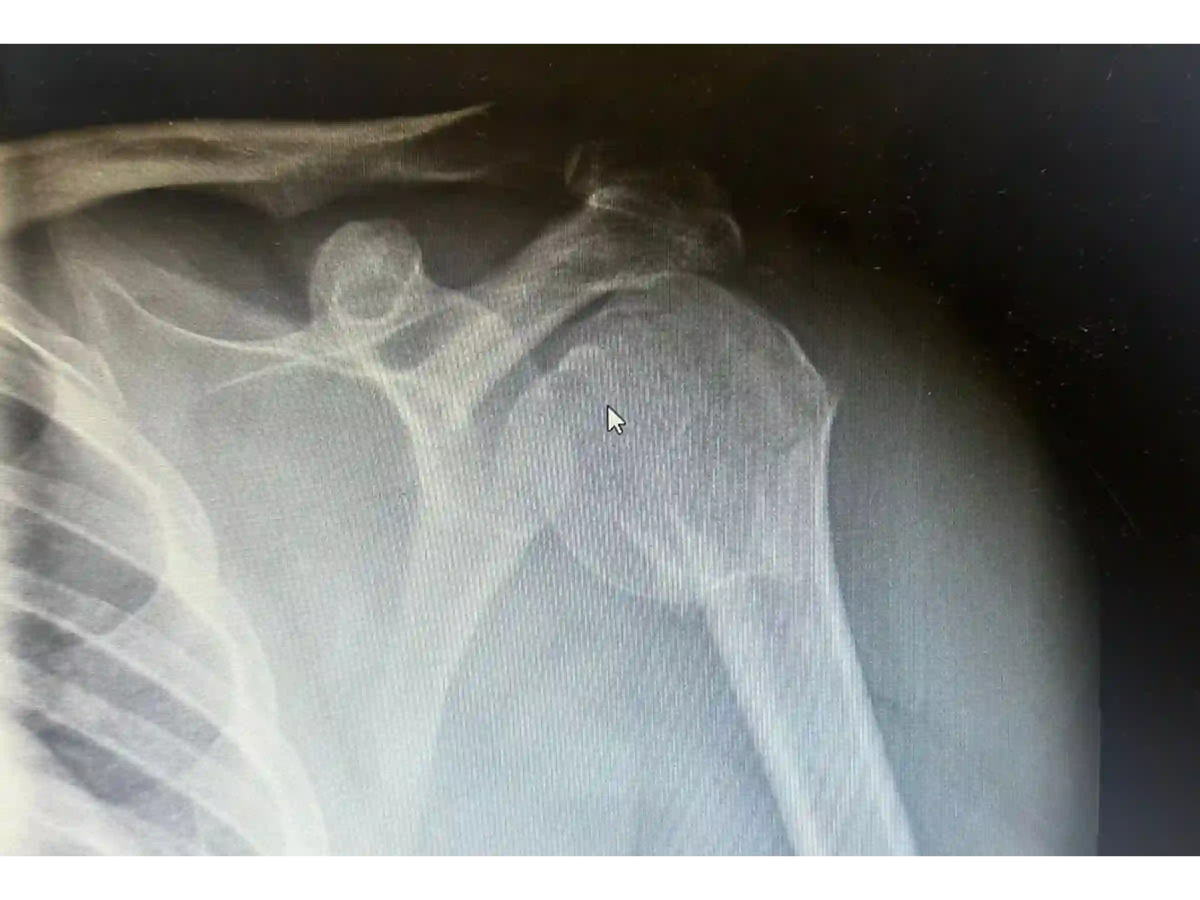
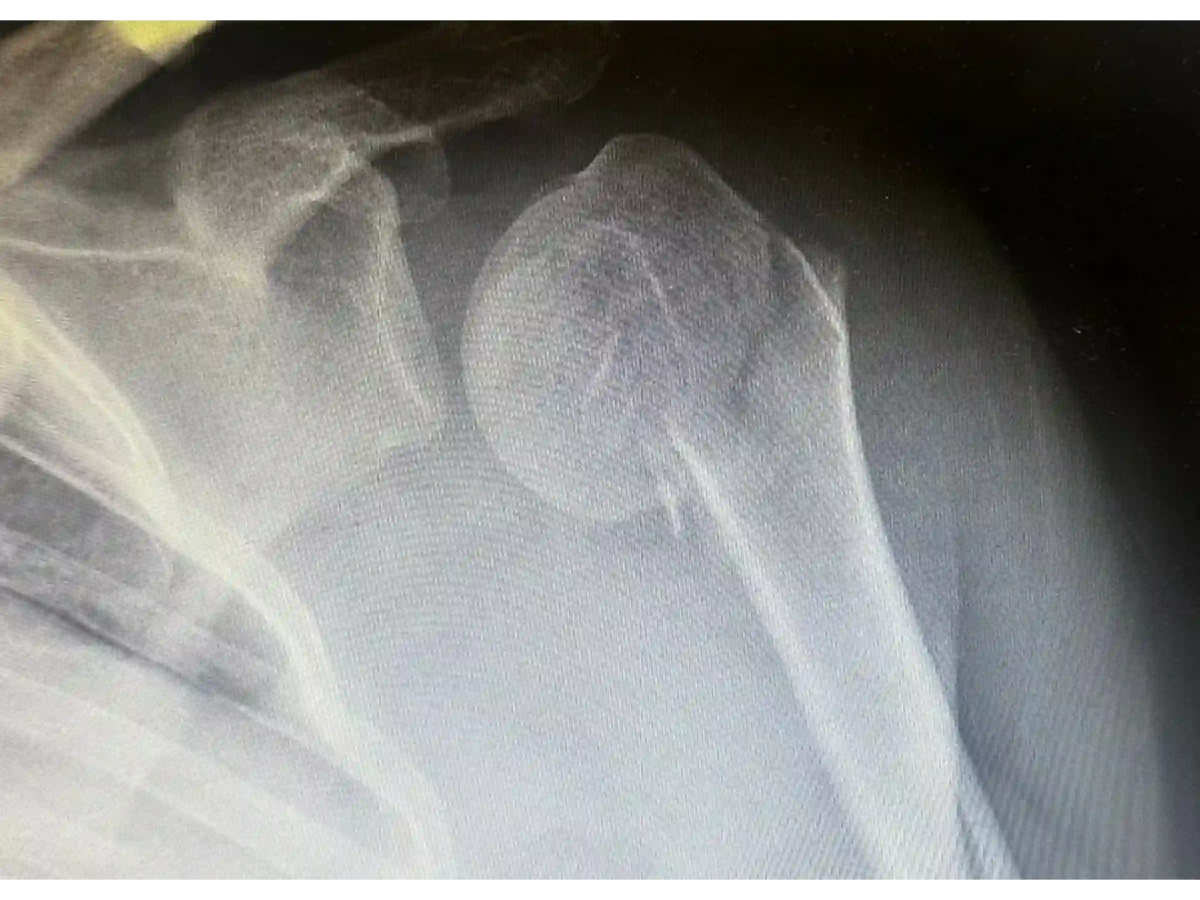
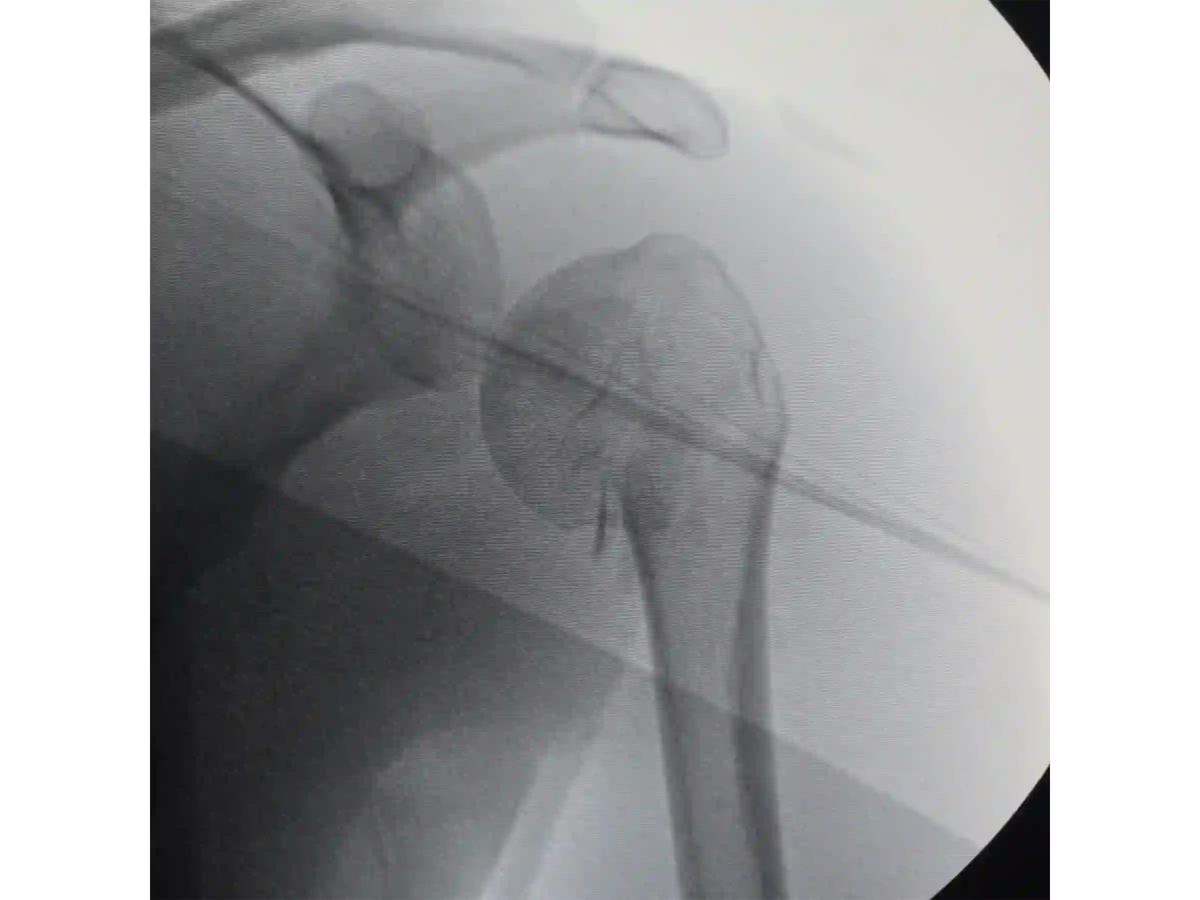
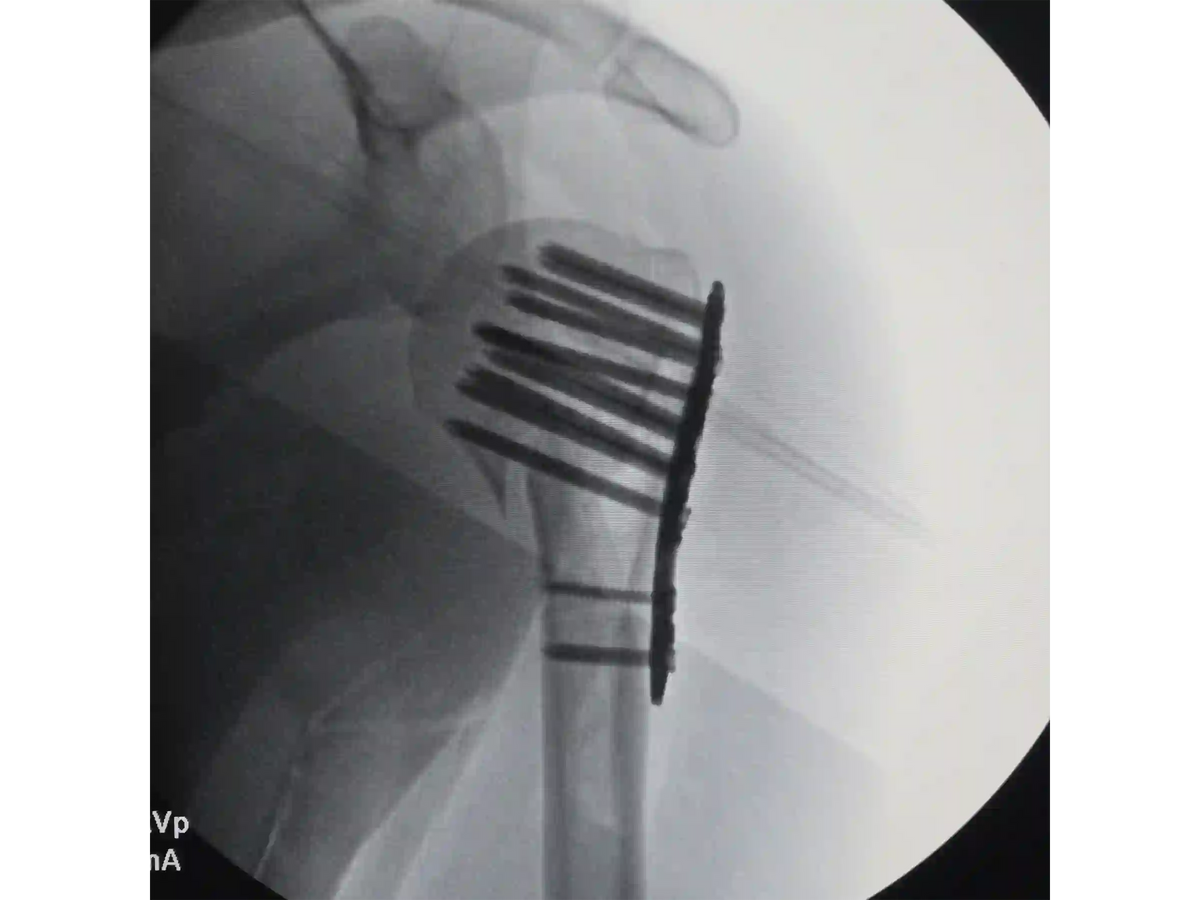
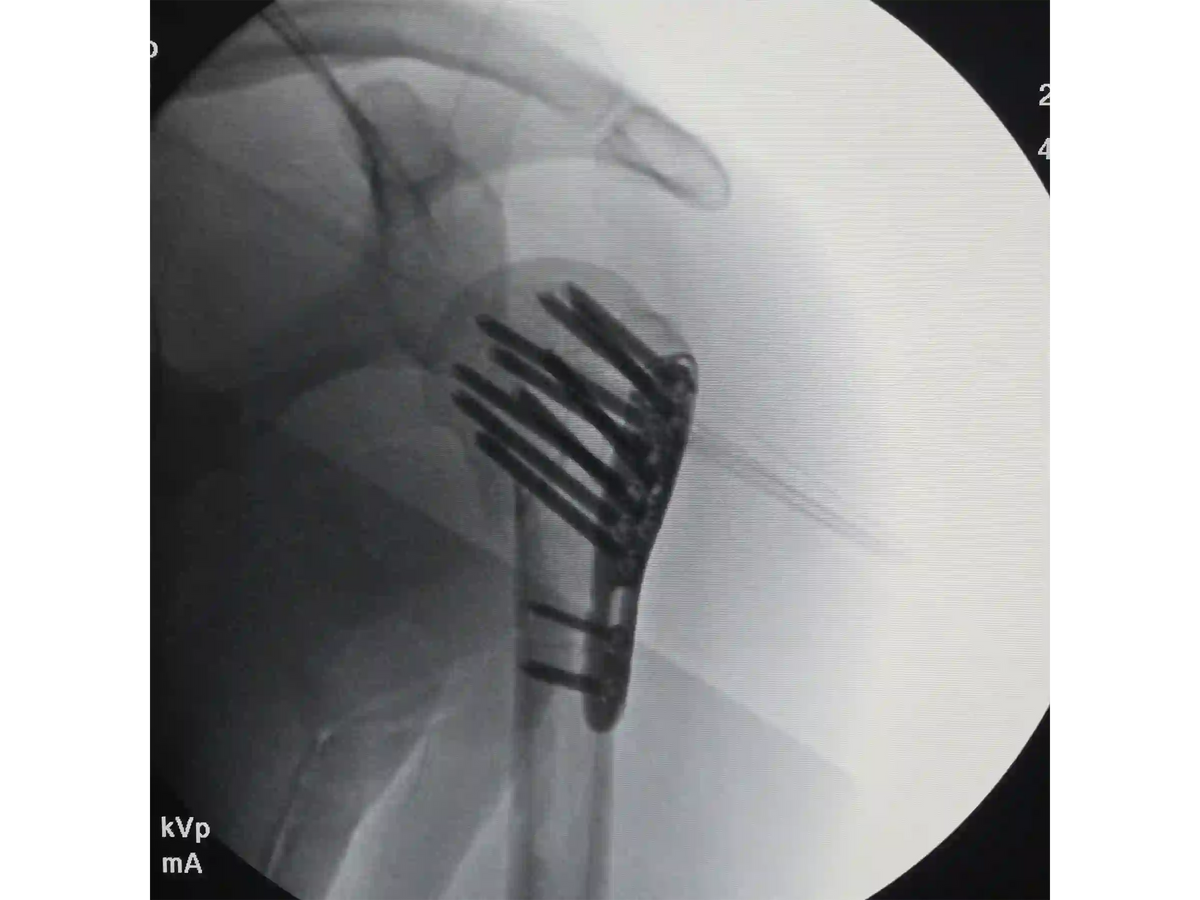
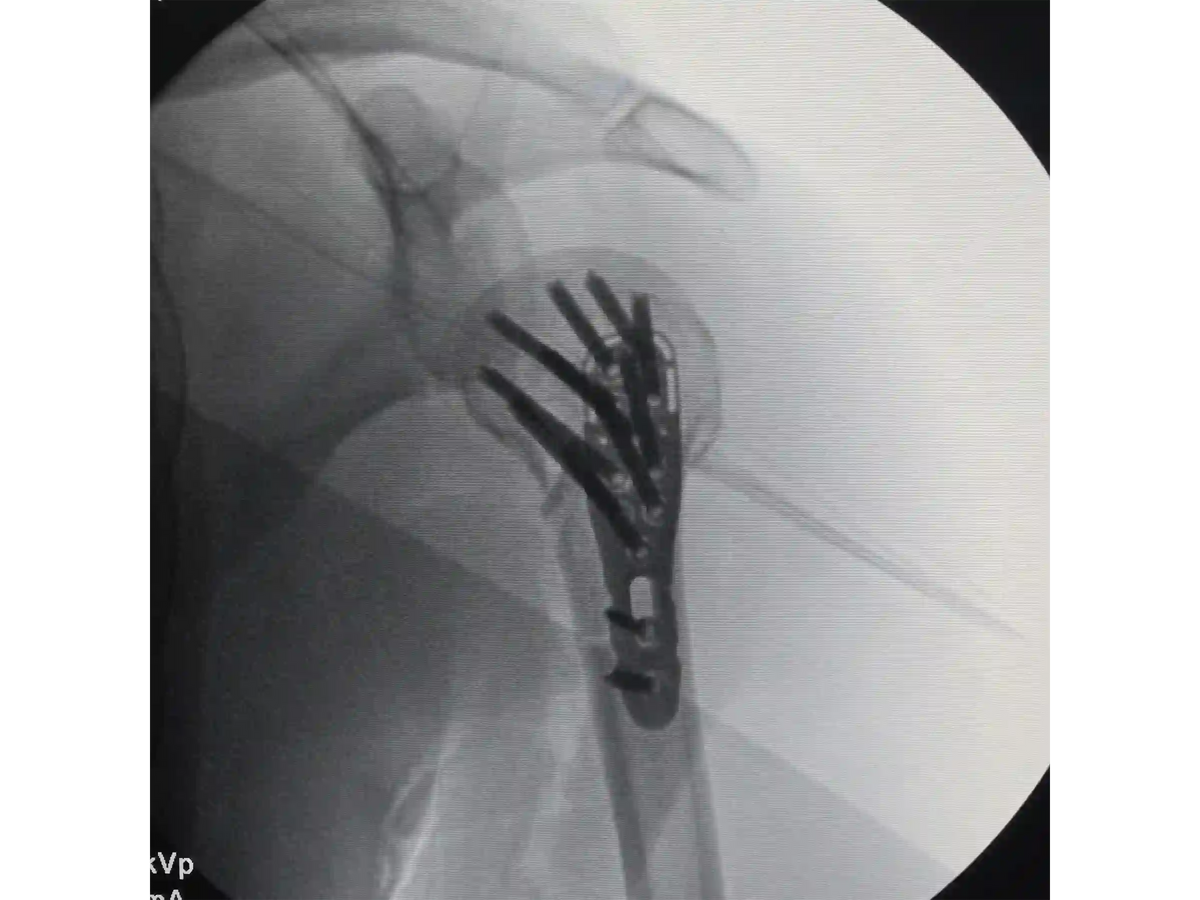
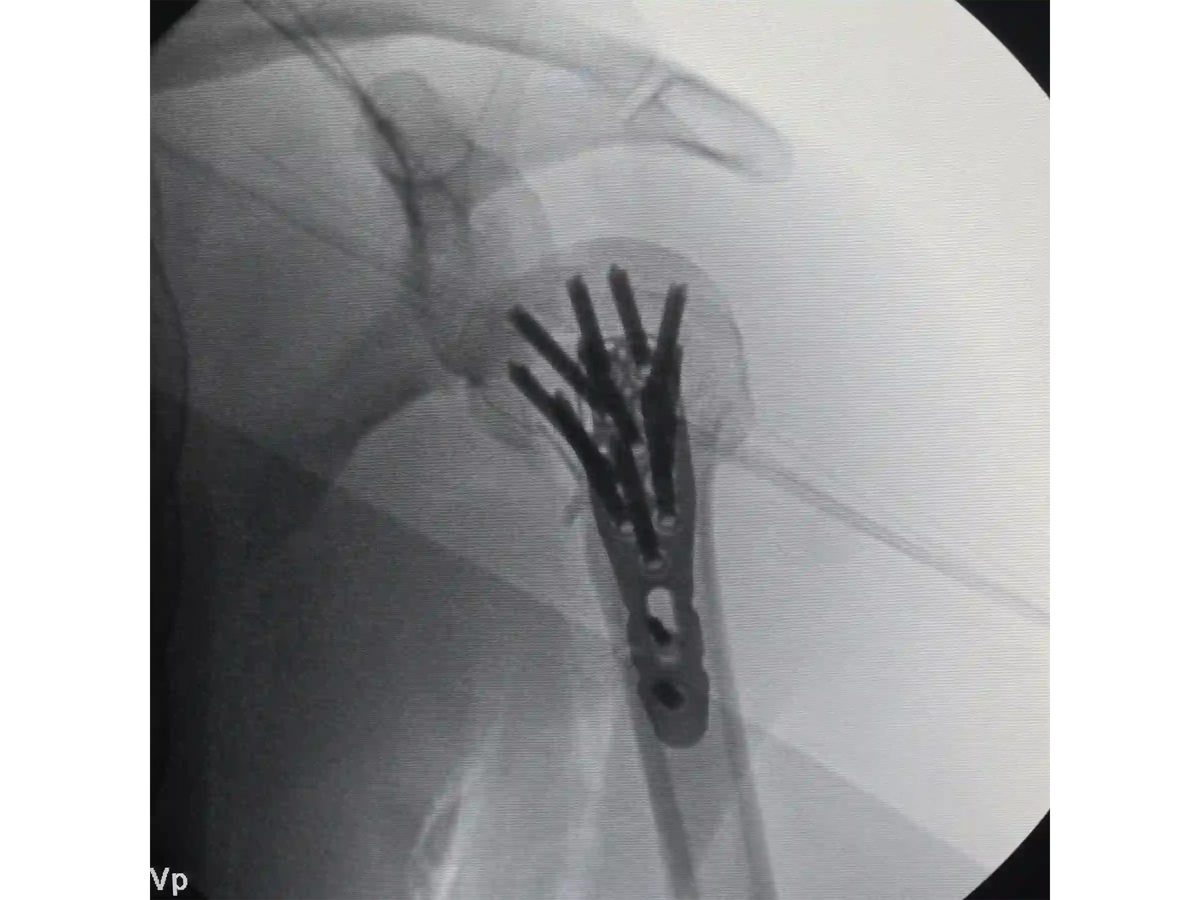
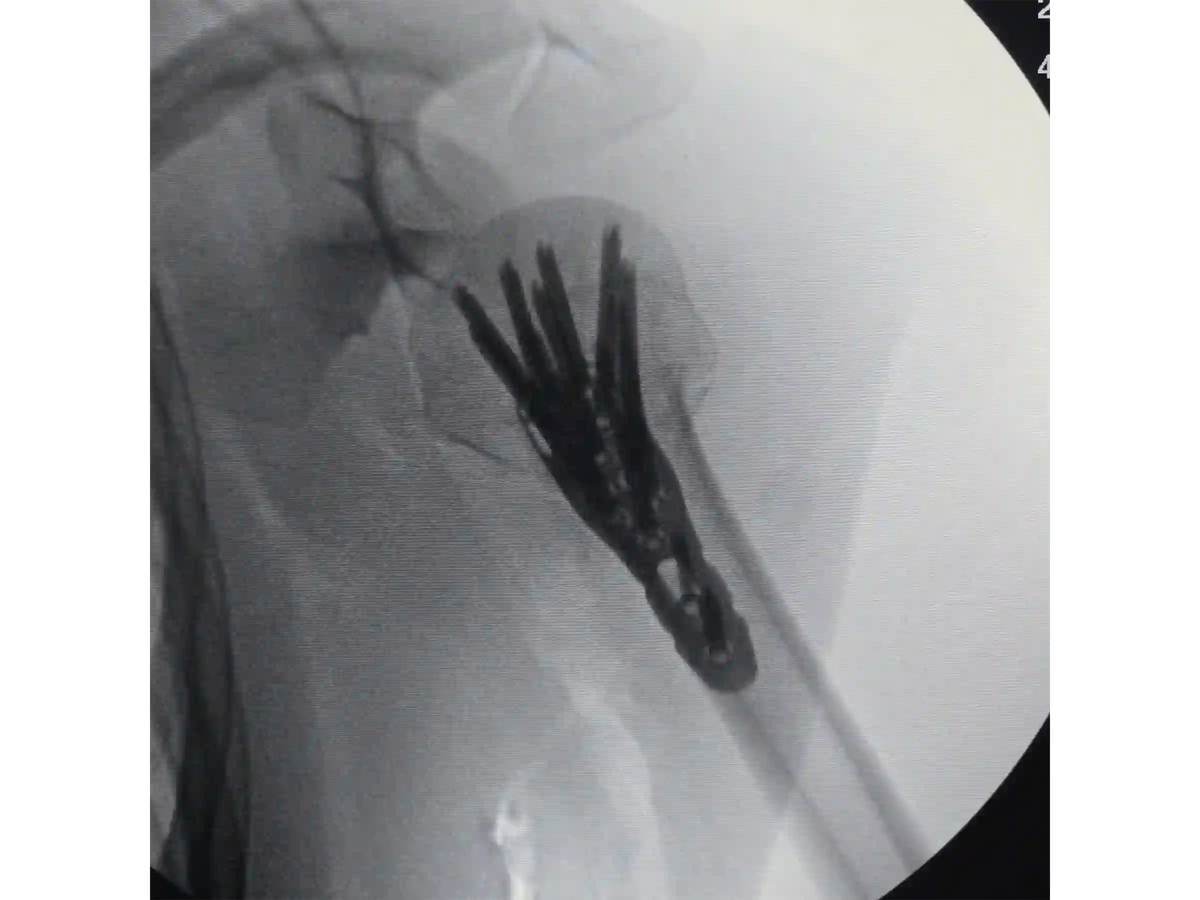
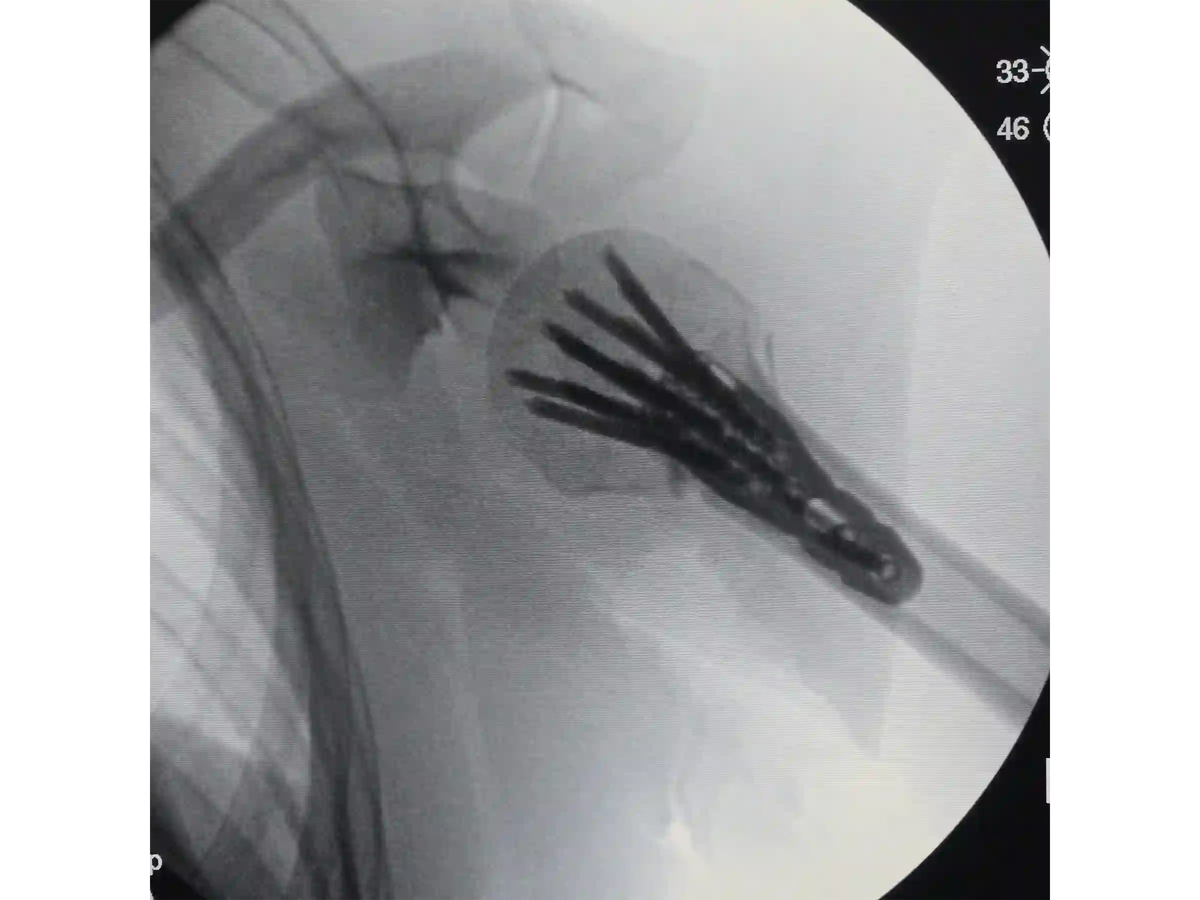
This orthopedic trauma learning case presents the operative reasoning for a four-part proximal humerus fracture with varus displacement, approached through a deltopectoral interval. The description follows key educational steps including patient positioning in the beach-chair position, skin marking based on the coracoid process and deltoid contour, identification of the deltopectoral interval, controlled exposure of the proximal humerus, and safe placement of retractors guided by digital palpation.
The case highlights the role of arm positioning in exposure, including abduction to relax the deltoid and internal or external rotation to access different tendon structures. It also reviews the identification and management of the long head of the biceps, the relationship of the bicipital groove to rotational alignment, and the use of high-strength sutures in the subscapularis, supraspinatus, and infraspinatus to assist with fracture manipulation.
Reduction concepts are discussed with attention to the lateral fracture keys, the medial calcar region, the correction of varus alignment, provisional Kirschner wire fixation, plate positioning approximately lateral to the bicipital groove, and screw trajectory considerations within the humeral head. The material is intended for educational review and procedural reasoning rather than as a substitute for supervised surgical training or institutional protocols.
INCLUDED CONTENT
- Case-based operative walkthrough
- Deltopectoral approach anatomy
- Beach-chair positioning and arm positioning concepts
- Exposure strategy for the proximal humerus
- Identification of the long head of the biceps and rotator interval anatomy
- Discussion of tuberosity displacement forces
- Rotator cuff suture traction principles
- Reduction reasoning for varus displacement
- Provisional fixation with Kirschner wires
- Plate placement and screw trajectory considerations
- Educational safety reminders regarding periosteal preservation and soft-tissue handling
TARGET AUDIENCE
- Orthopedic trauma surgeons
- Orthopedic residents and fellows
- Shoulder and upper-limb surgery trainees
- Medical students with an interest in musculoskeletal trauma
- Surgical educators reviewing proximal humerus fracture fixation techniques
EDUCATIONAL NOTICE
This content is intended for medical education and procedural discussion only. It does not replace formal surgical training, clinical judgment, institutional protocols, or supervision by qualified professionals. Any clinical application requires appropriate patient evaluation, imaging review, informed consent, and mandatory review by trained medical specialists.
Escolha opções
